In a time of shrinking budgets and growing divides,the EU project Immersive ECHO explores how immersive experiences can bring people back together around cultural heritage.
When budgets tighten, cultural funding is often among the first things questioned. When societies become more divided, cultural institutions are asked to prove their relevance. And when attention increasingly migrates to personalized feeds, algorithms and endless digital entertainment, the simple act of gathering strangers around a shared story can begin to feel surprisingly radical.
Yet this may be exactly the moment culture matters most.
Not because museums, archives or heritage sites preserve the past. Because they help societies negotiate the future. The challenge many cultural organizations across Europe are facing is not a lack of stories. It is a lack of access. Access to audiences. Access to new formats. Access to technologies that can reconnect people with histories that increasingly feel distant from everyday life.
This is where Immersive ECHO (European Cultural Heritage Outreach) enters the conversation. The EU-funded Creative Europe cooperation project brings together fifteen partners from ten countries to explore how immersive experiences can make make cultural heritage more personal and relevant.
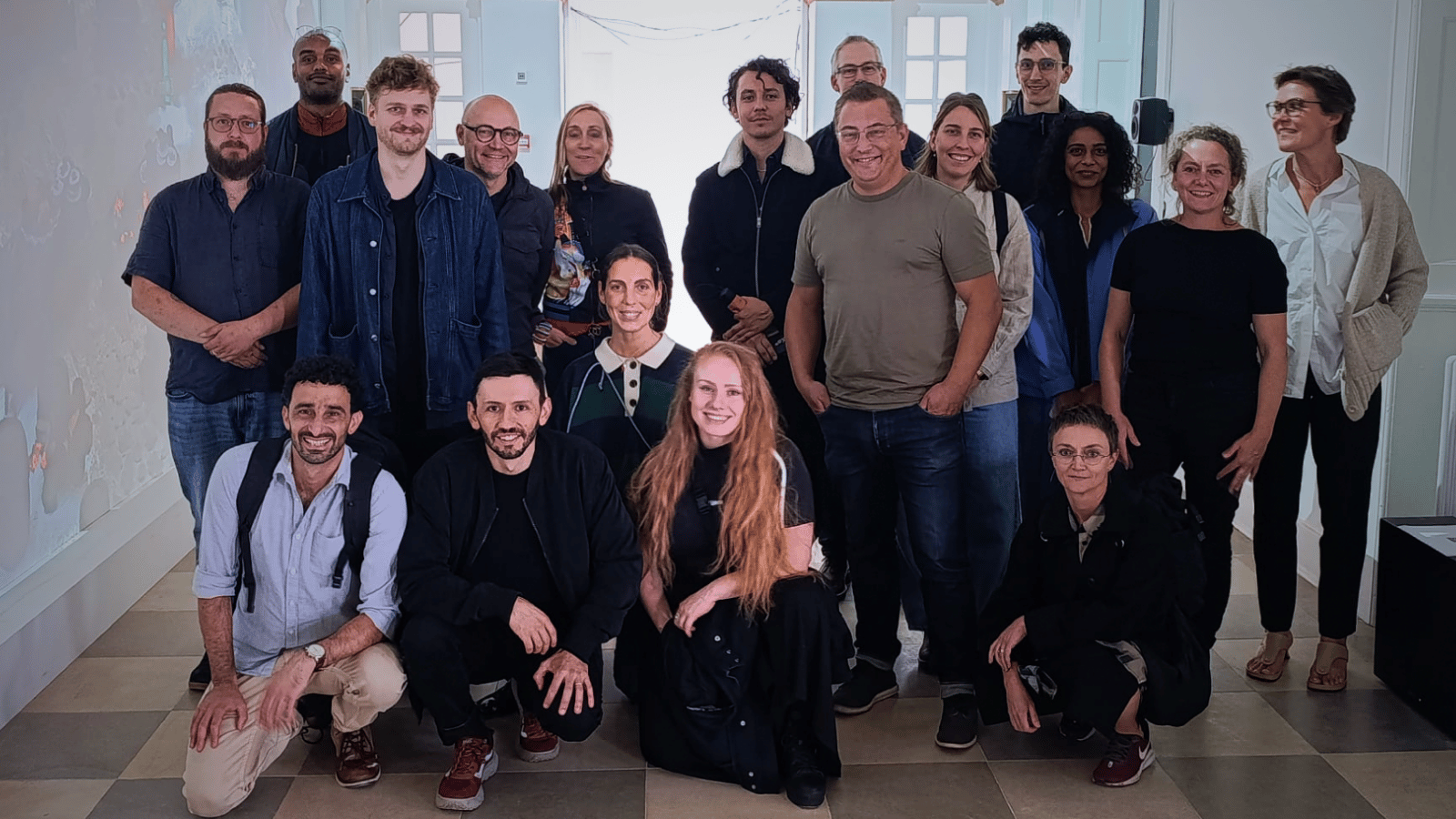
Immersive ECHO members, Viborg, September 2026
Over the next two years, its members will test ideas, build prototypes and openly share what they learn with heritage organizations across Europe. They include museums, cultural organizations, universities, technology partners and experience designers, among them The Storytelling Company.
The ambition is not technological for technology’s sake. It is fundamentally social. How do we make heritage more accessible? How do we create participation rather than observation? How do we build stronger communities around cultural memory? How can smaller institutions access the same resources as large flagship organizations? And how do we create experiences that people encounter together, rather than alone?
These questions sit at the heart of a challenge that reaches far beyond the cultural sector.
Because every society depends on shared narratives. Stories that help people understand where they come from, who their neighbors are and what connects them despite their differences. When those narratives disappear, the vacuum is rarely empty for long. Misinformation, intolerance and polarization have a habit of filling the space.
Culture cannot solve those problems on its own. But it can create conditions for empathy, curiosity and dialogue. It can provide places where people encounter perspectives different from their own. It can remind communities that heritage belongs not only to those who inherited it, but also to those who are discovering it for the first time.
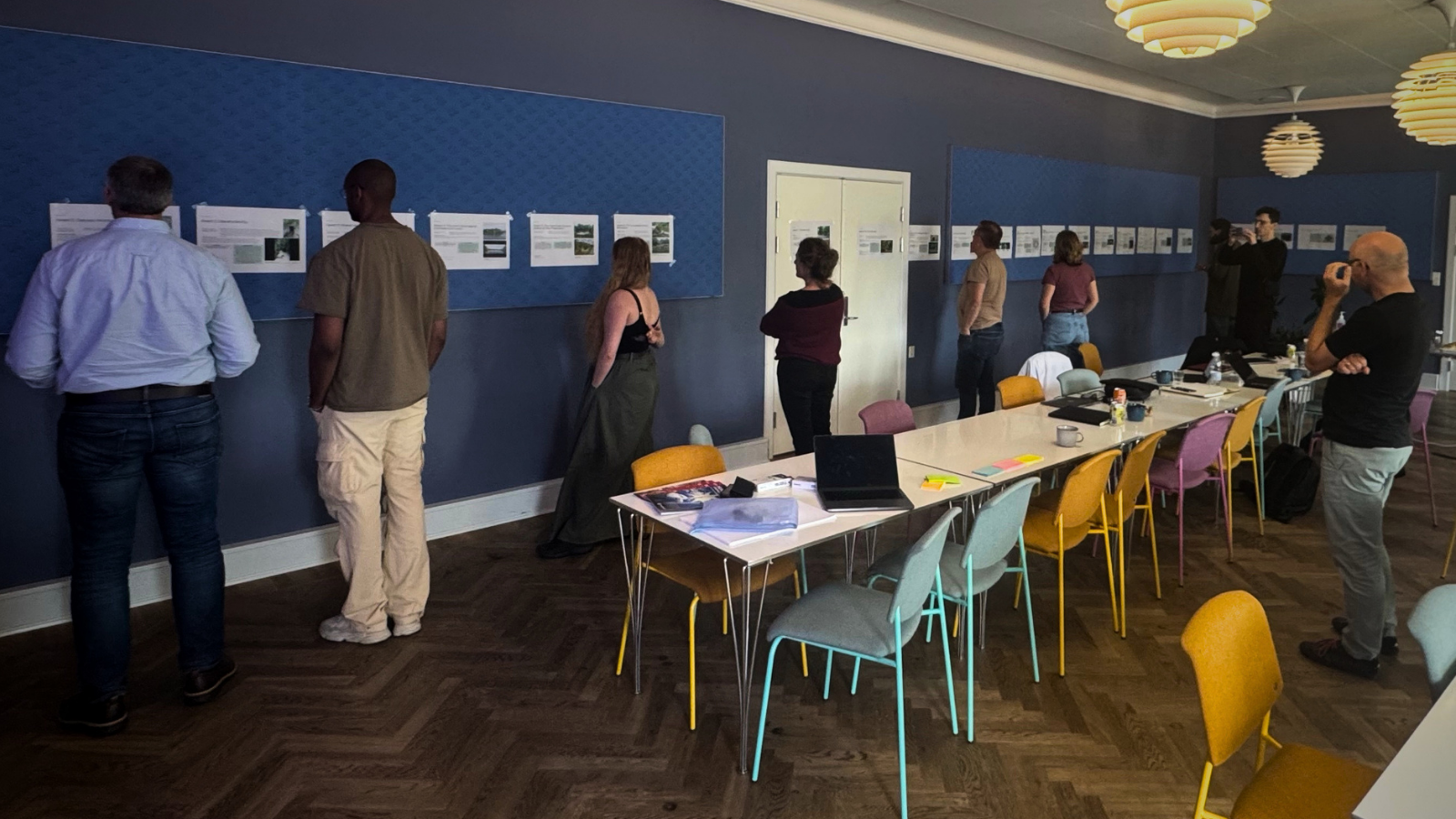
Earlier this year, TSC hosted ECHO partners at its Berlin office for a collaborative workshop focused on exactly these questions. They explored how immersive design can lower barriers to participation, create emotional ties and help cultural institutions engage audiences that may not see themselves reflected in traditional heritage formats. The focus was practical: what works, what scales, and what enables cultural organizations to create meaningful impact despite limited resources.
TSC sees Immersive ECHO as an example of the kind of work that matters beyond any individual project. The company has spent decades creating immersive exhibitions, branded environments and public experiences designed to move people emotionally. As a consortium member, we are applying that knowledge in a broader context of ECHO: helping cultural institutions explore how immersive storytelling can remain accessible, inclusive and socially relevant in a rapidly changing world.
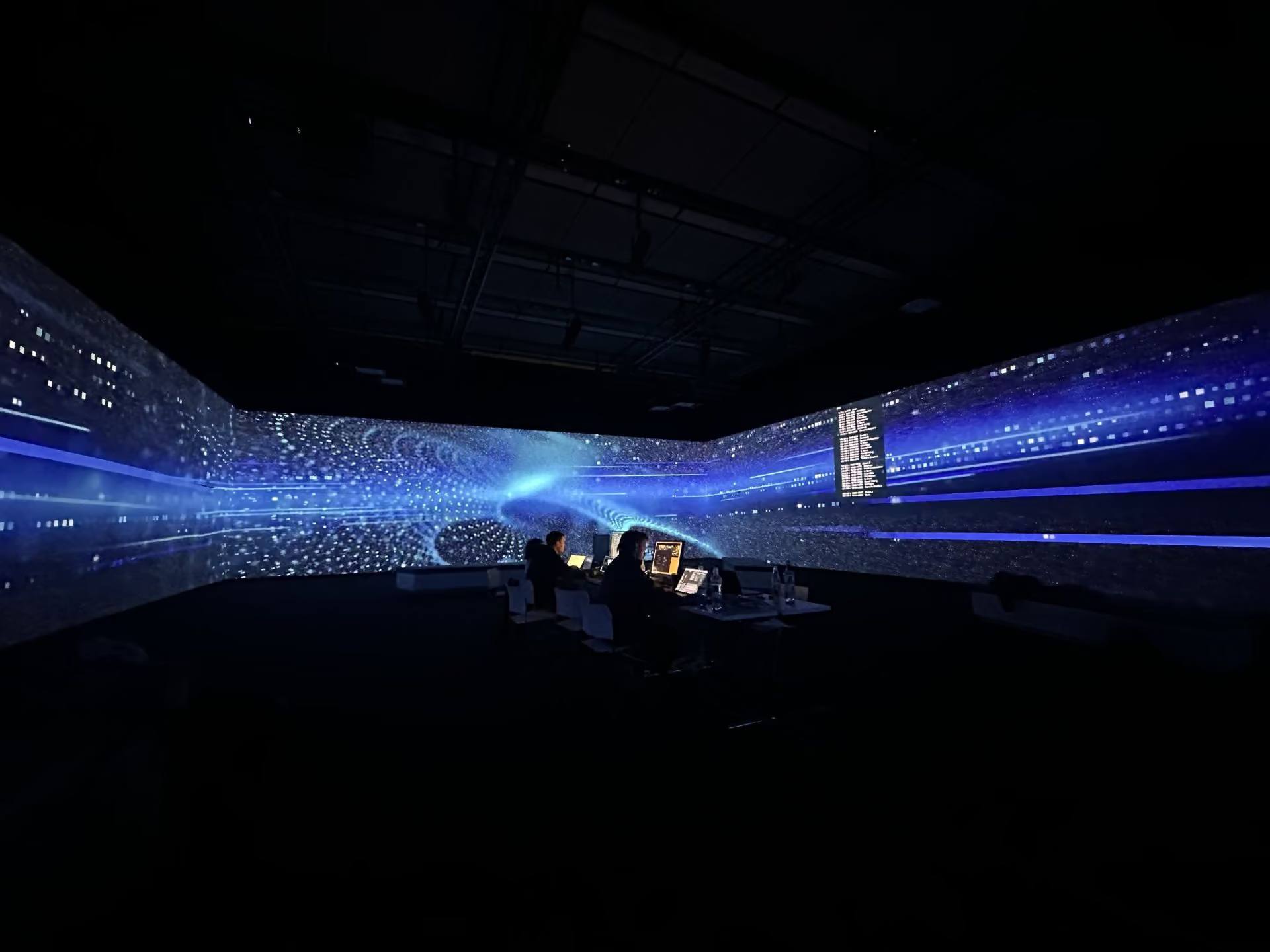
TSC is responsible for creating an immersive experience that sits at the centre of the project. Drawing on cultural heritage collections from partners across Europe, we set the curatorial and experiential direction, guiding how artefacts and archives are woven into a collective narrative. This work is preceded by a series of partner workshops, the most recent held in Viborg, Denmark, in September 2026, and builds towards a public premiere at the KIKK Festival in Le Pavillion in Namur, Belgium in 2027.
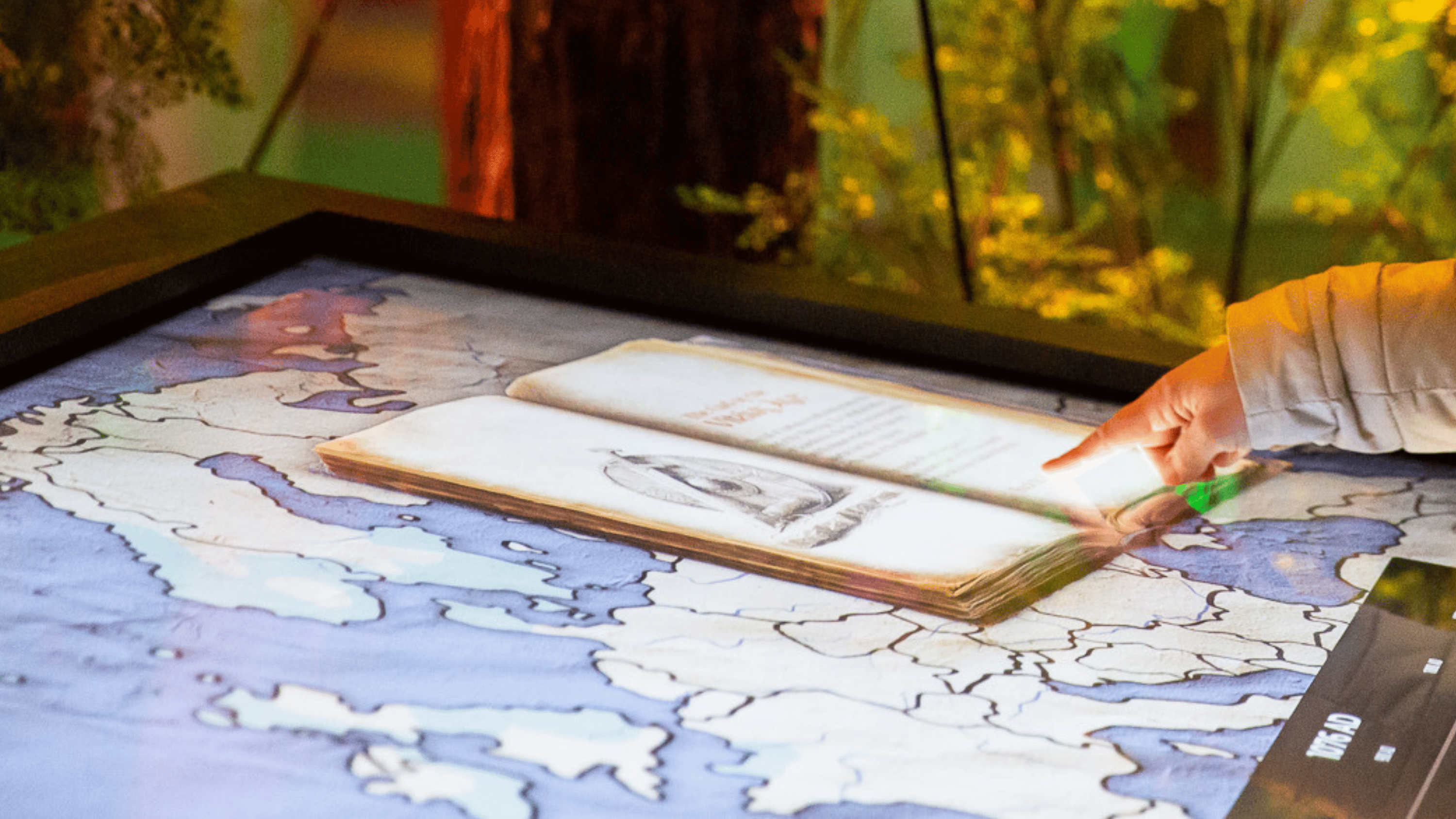
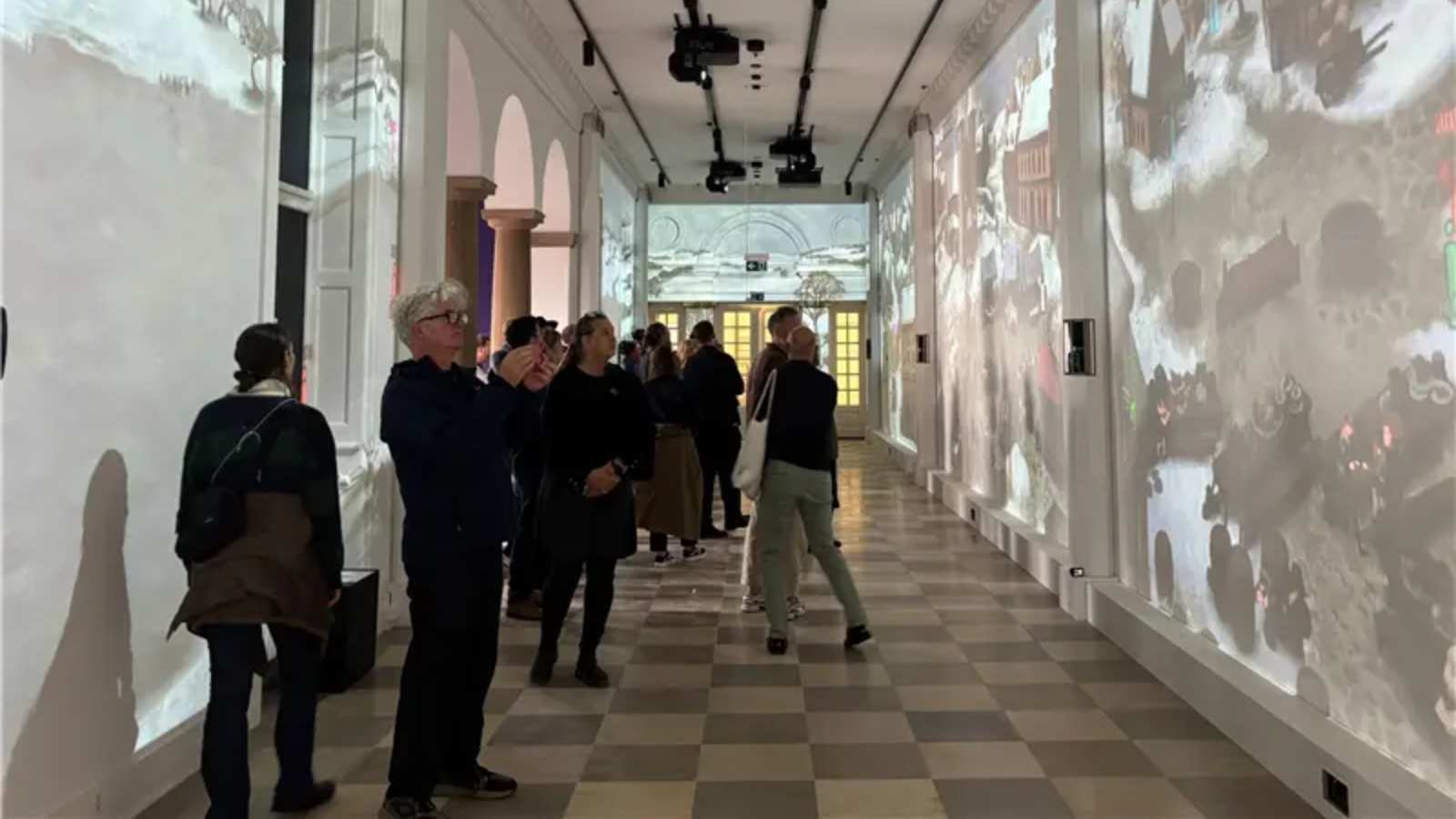
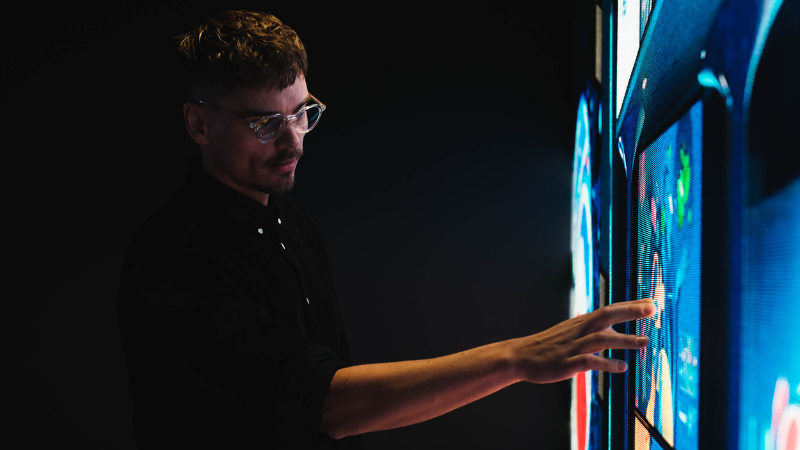
ECHO members experiencing Snapsting 1630 at Viborg Museum
During the Viborg study visit, ECHO participants had a chance to visit Snapsting 1630 experience at the Viborg Museum. Afterwards, The Storytelling Company’s Creative Director Ben Tritschler held an ECHO workshop together with Isabelle Jouve from the Grand Palais Immersif.
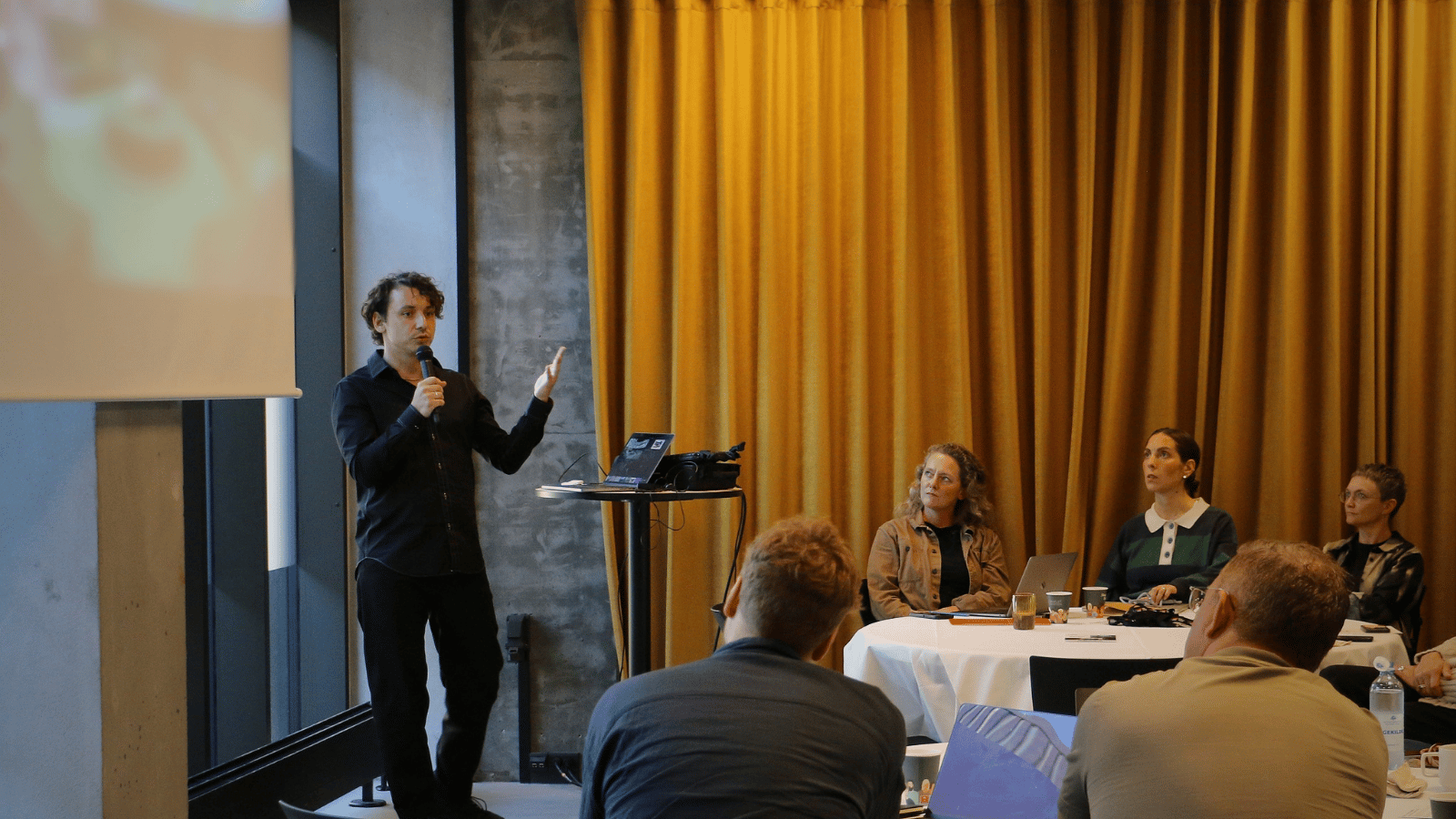
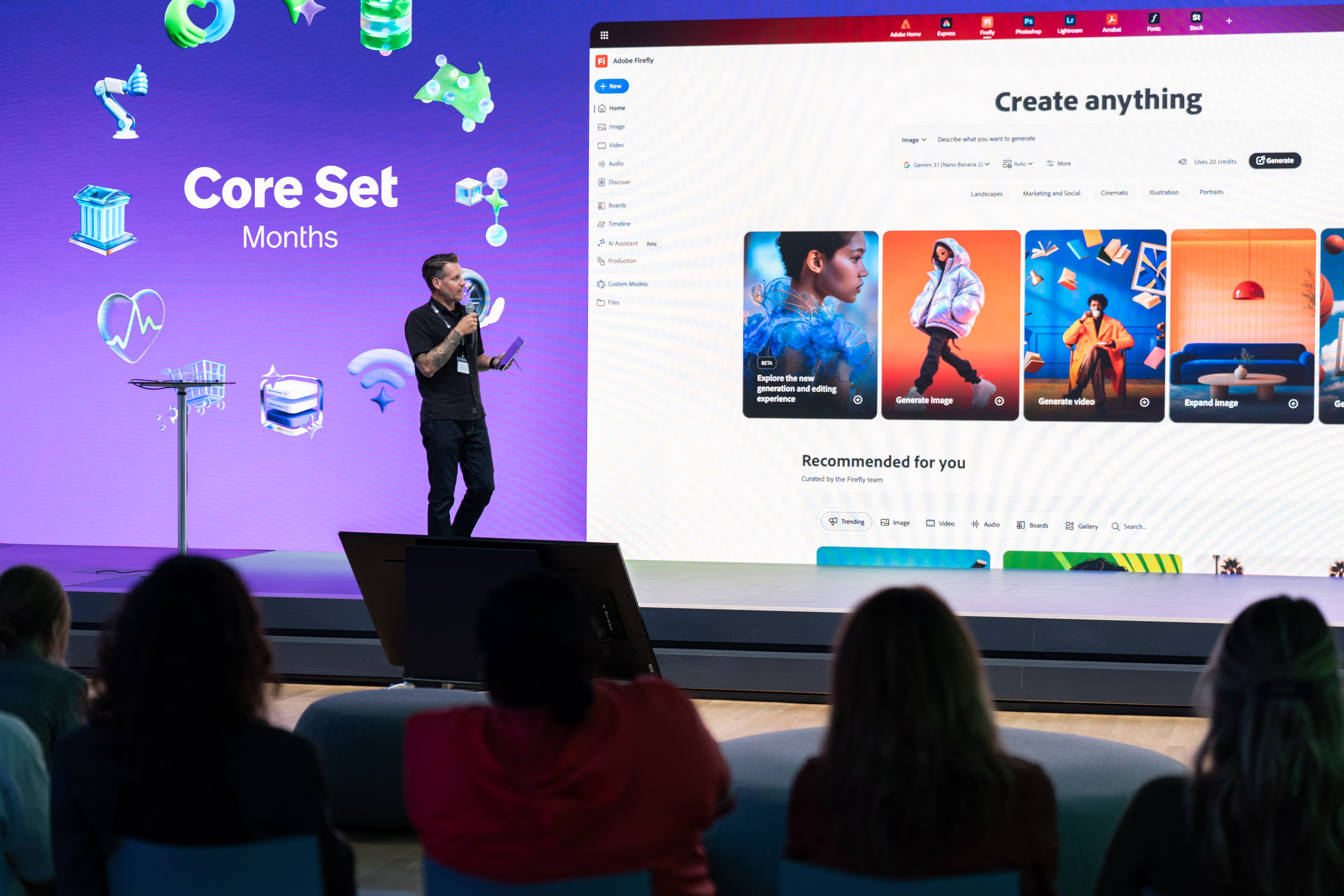
Ben Tritschler presenting at Viborg Animation Festival
Immersive ECHO Workshop
Ben and Isabelle analyzed content provided by the cultural heritage partners of the Immersive ECHO project and asked the participants: What can visitors do with this content during a museum visit? What works for grown-ups and kids? What’s feasible within 60 minutes??
“In the process we discover that it is not the similarities that make our project strong but the differences! The diversity of the consortium is our advantage and with this we grow in collaboration
.”
Ben Tritschler, Creative Director The Storytelling Company
This ties into perhaps the most important thing about ECHO: it starts from a simple belief: Heritage is strongest when it is experienced collectively. Not as information delivered from the past. Not as content competing for attention. But as a living conversation between people.
When budgets shrink, divides widen and entertainment becomes increasingly individualized, creating spaces where communities can gather around shared stories is not a luxury. It is infrastructure.
Some infrastructure is worth investing in precisely because it helps hold everything else together.




.avif)


