From Bowie in London to Da Vinci in Turku, tributes to famous faces are everywhere right now. Leigh Sachwitz, Chief Strategy Officer at TSC and the person who leads Originals, on Iconic Rebirth, Marilyn Monroe, horned helmets, and why the best way to hand history to a new generation is to meet it where it already spends its time.
Close your eyes and picture Marilyn Monroe. White dress, platinum curl, red lips, probably a subway grate somewhere nearby. You’ve never met her, but you can still draw her from memory.
Now picture the other Marilyn. The one who walked out on her studio, moved to New York and founded her own production company in 1955, at a time when almost no woman in Hollywood owned anything at all. Harder, isn’t it?
And if you’re 19, you might not picture either of them. You might know her as a filter, a meme, a face on a phone case. Which raises the question behind this piece: how does someone who grew up on screens get anywhere near the woman behind the image?
For Leigh Sachwitz, that gap is where the work starts. It’s also where most tributes go wrong.
“An icon turns up already finished. Everyone walks in with the same picture in their head. For most people, that picture is the dumb blonde. She played the part brilliantly, because she’d crafted it herself. She just never lived it.”
Leigh Sachwitz, Chief Strategy Officer, The Storytelling Company
It’s a good moment to be asking. Legends are having a very big year: “Michael” became the first biopic ever to pass $1 billion, more than four million ABBA Voyage visitors have spent an evening with a band that isn’t physically there, and David Bowie is filling London’s Lightroom. Everyone, it seems, wants a little more time with their heroes.
The industry has a well-worn shortcut for that: take a famous image, blow it up to the size of a wall, add a soundtrack. Leigh isn’t against big pictures. As she sees it, projection isn’t the problem. Projection with nobody behind it is. You can fill a hall with sunflowers and still send people home with nothing.
Shows like that might sell tickets, but they don’t move people, and the memory doesn’t last. They repeat the oldest habit of the biopic: showing heroes instead of hearing them. Marilyn had the studios. Dolly Parton had the jokes about her looks. For a long time, iconic women in particular were gazed at far more than they were listened to.
A biopic you can walk through Inside TSC, the answer has a name: Iconic Rebirth. A fresh way of seeing someone, reframed for people who were never told the full story. The shows that get it right tend to follow the same rule. Bowie’s has no narrator other than Bowie himself.
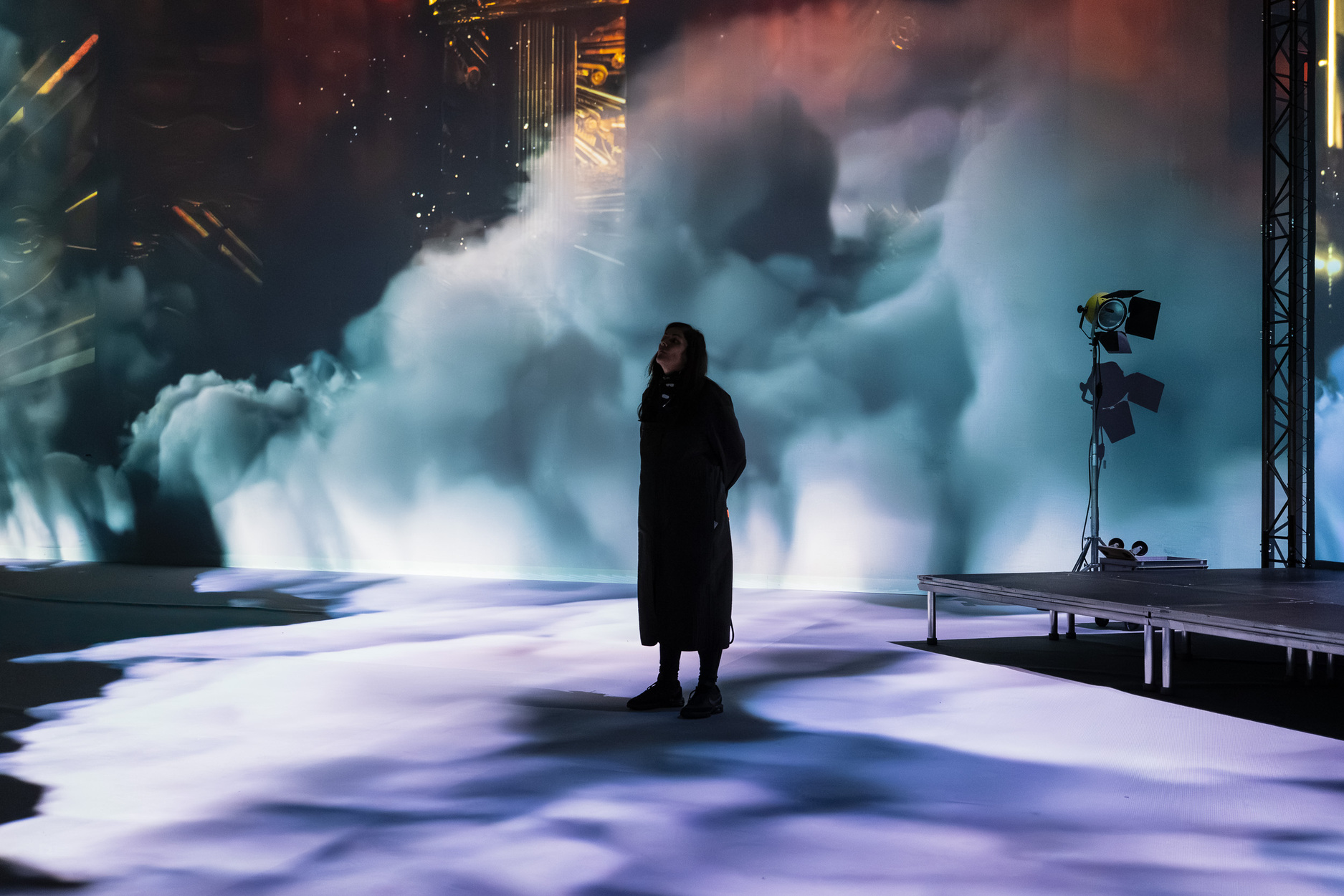
Biopics portray legends through an actor, at a polite distance. Immersive experiences take the distance away. You get a biopic you can walk through.
“Step inside the image, and the subject stops being someone you look at. They become someone you understand.”
Leigh Sachwitz, Chief Strategy Officer, The Storytelling Company
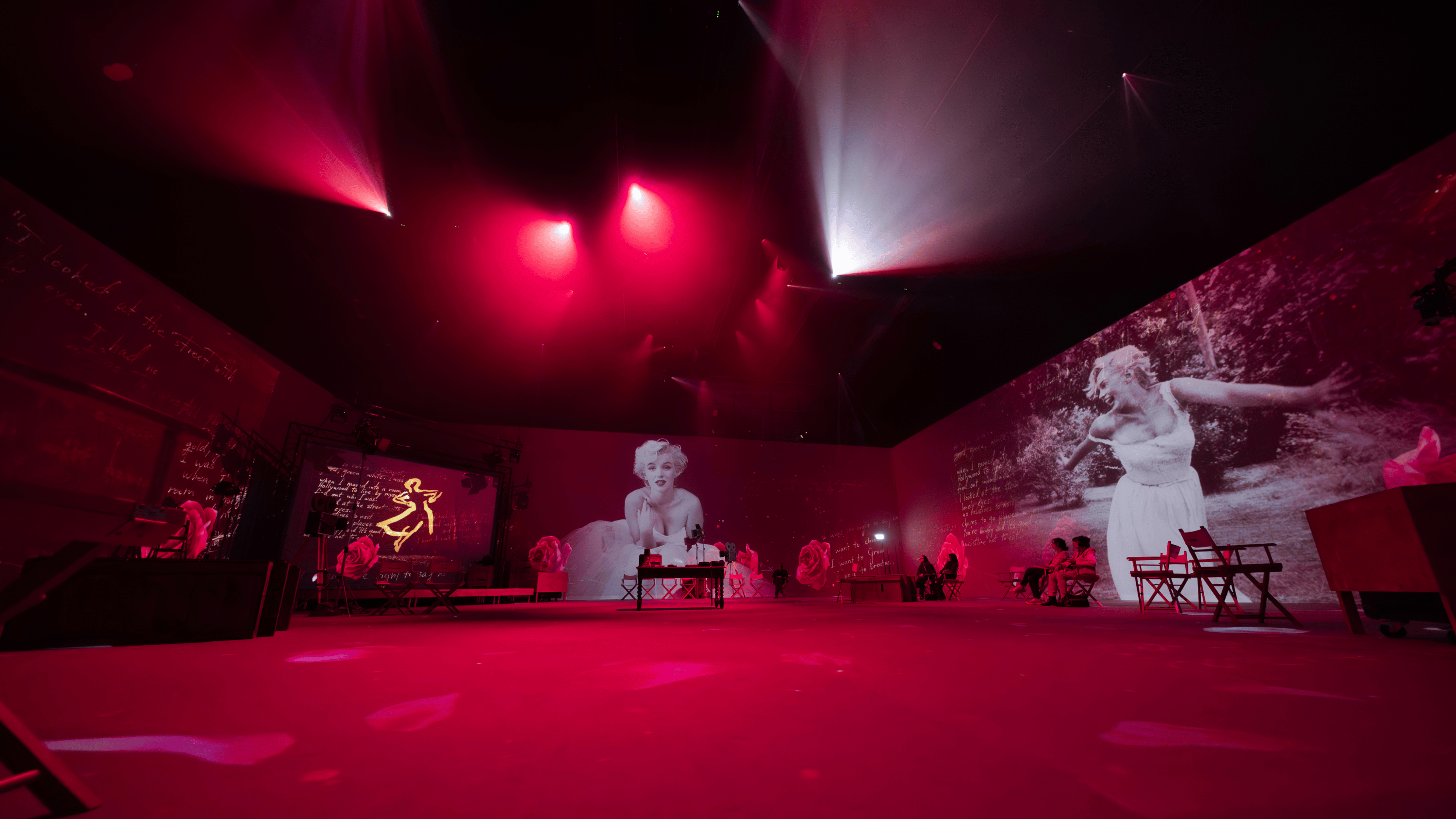
Marilyn, in her own words Becoming Marilyn Monroe put all of this to the hardest test there is. Created for her 100th birthday as the first immersive exhibition ever dedicated to her, it premiered at Lichthalle MAAG in Zurich in February 2026 and is now open for touring.
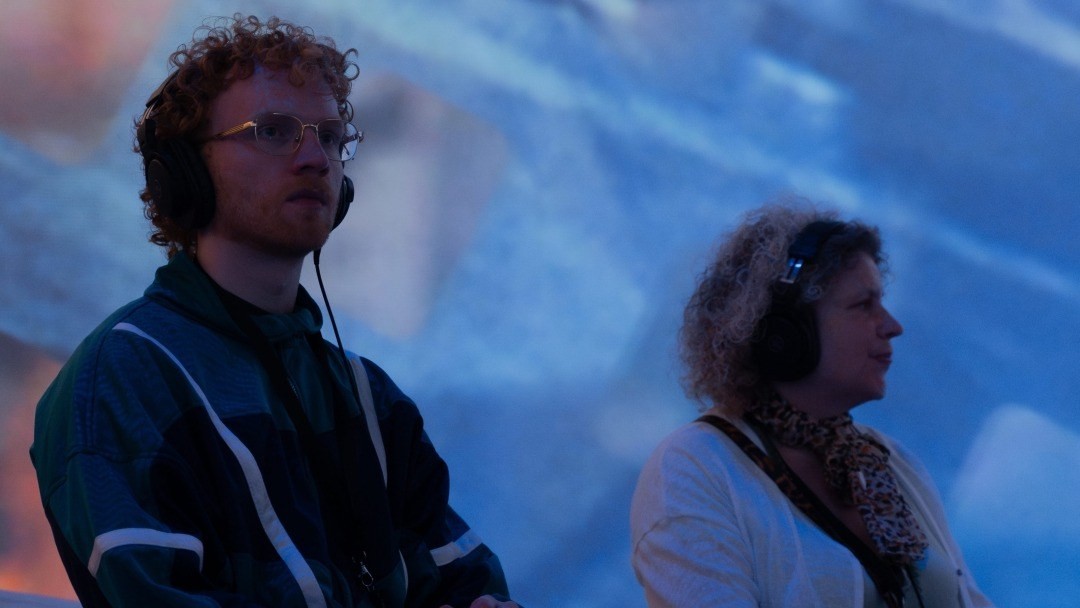
It made three decisions most Marilyn stories never make. It doesn’t open with the icon, it opens with Norma Jeane. It doesn’t talk about her: Marilyn tells her own story through a headphone guide in German, French, and English. Hundreds of people share one hall, and every one of them hears her alone. It was the biggest risk: putting the audience in headphones. But it’s exactly why it worked. “Once the sound is inside your head and not out in the room, the emotion doesn’t feel performed at you, it feels like it’s happening inside you and that’s exactly what we wanted you to feel.“ Leigh says.
Becoming Marilyn Monroe, Lichthalle MAAG, Zurich. Photo: The Storytelling Company
And Becoming Marilyn Monroe was made with the people who hold her story. Her rights of publicity and persona are used with permission and in collaboration with The Estate of Marilyn Monroe LLC. The images come from the photographers who shaped how the world saw her, among them her business partner Milton H. Greene, Sam Shaw and Bernard of Hollywood.
That’s the reframe at the heart of the show. In the rigid 1950s, Marilyn built a persona, understood exactly what it was worth and fought her studio for control of it. She used personal branding decades before anyone used the phrase. The image didn’t happen to her. She built it. The show gives her the credit back and lets her speak for herself, right next to your ear.
“It’s deeply emotional to understand that behind this façade, the amazing imagery and the incredibly beautiful woman, she's always been this muse for many people that continues to be inspirational.”
Mitch Sebastian, Director & Creative Lead, Becoming Marilyn Monroe
The show ends mid-take, right in the middle of the last scene Marilyn was ever filming before she died. “When I saw a visitor in tears at that moment at the opening, I realized how deeply she was still connected to this icon, decades later. That one moment made the year of work worth it.“ Leigh says.
Horns, brutes and the women nobody mentions Not all icons are human. Whole cultures carry the same weight. Picture a Viking. Horned helmet, wild beard, a raid in progress. Yet the horns are pure invention, created by costume designer Carl Emil Doepler for the 1876 Bayreuth premiere of Wagner’s Ring. The same Ring that Leigh and her team would put on a fully digital stage for Opera Australia almost 150 years later.
“The horns are my favorite example. Everyone is completely sure about them, and they came out of an opera costume designer of 19th-century Romanticism.”
Leigh Sachwitz, Chief Strategy Officer, The Storytelling Company
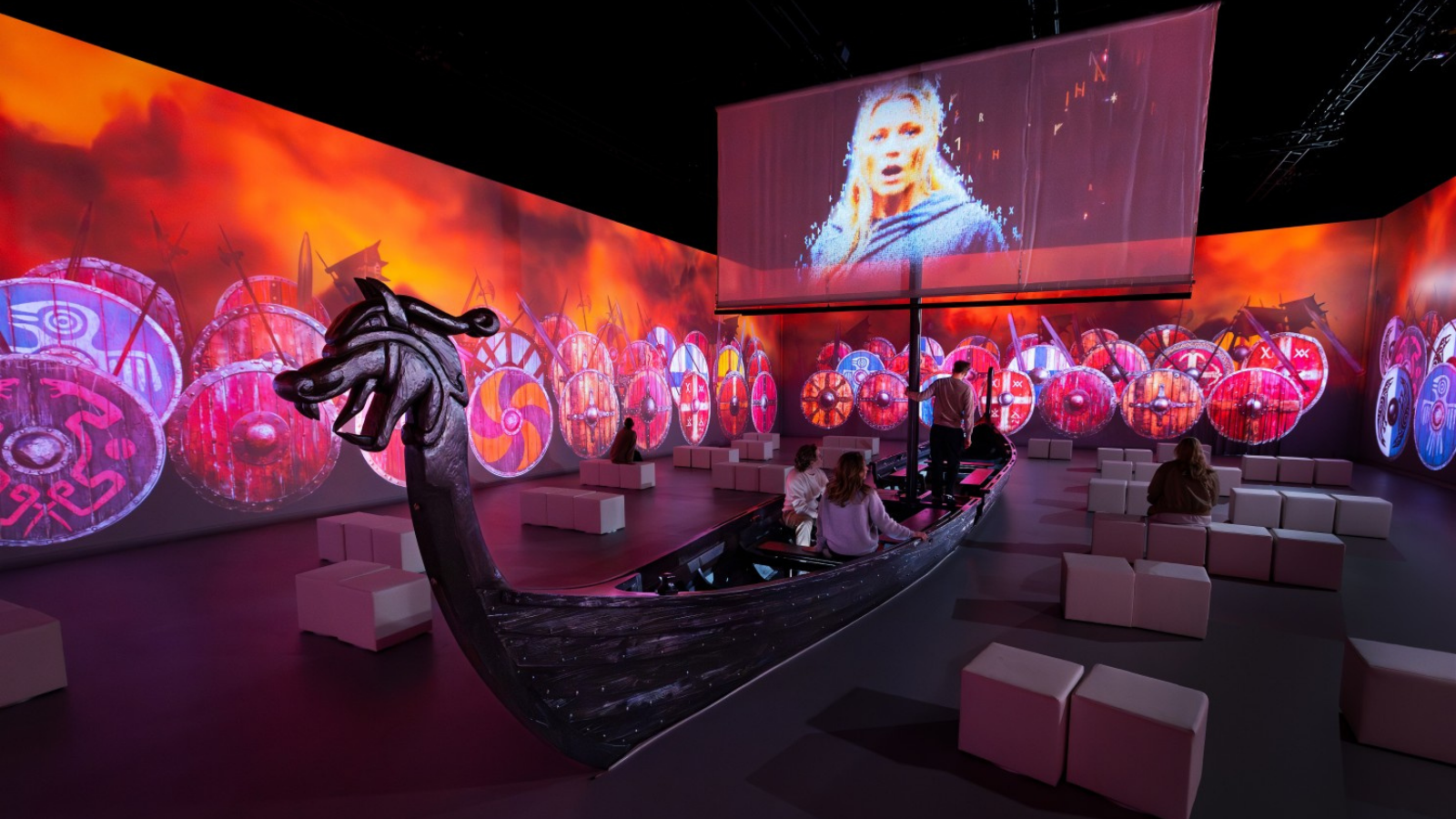
While the cliché also sells the Vikings as brutes with axes, their women ran far more than the house. Free women could own land, ask for a divorce and run farms and trade for months while the men were at sea. Vikings: The Immersive Experience, now open in Vienna, tells that side on purpose. At its center is Kráka, the farm girl who becomes Queen Aslaug, and the story is told as much through her as through Ragnar Lodbrok. Everyone expects the raid. Leigh and her team wanted people to leave talking about Aslaug.
Vikings: The Immersive Experience, Halle 7, Hamburg. Photo: Morris Mac Matzen
Meet them where they already are So why does the generation that grew up on screens buy tickets for Becoming Marilyn Monroe, or the Vikings, or anyone who lived before Wi-Fi? A glass case and a wall of dates won’t work. Look at where younger audiences actually spend their time. Open worlds to explore for hours. Discord servers where talking is optional. When Travis Scott performed inside Fortnite in 2020, 12,3 million players were there live for the first show. Nobody had to tell them it was culture.
A museum asks you to come prepared. Leigh would rather you just come with an open mind. For her, curiosity is enough. She builds history in a language that people already speak. You walk out knowing Marilyn and wanting to know more.
Three questions before resurrection Marilyn taught the team a lot, and most of it comes down to three questions. They’re worth asking before anyone brings an icon back, whether you’re an estate, a producer, a museum or a brand.
Whose story is it? Permission comes before the first sketch. Then research, until the smallest details hold. For Vikings, the team worked with a scientific advisor, Prof. Dr. h.c. Rudolf Simek, so that the world of Ragnar and Aslaug is as accurate as it is striking. Marilyn speaks for herself.
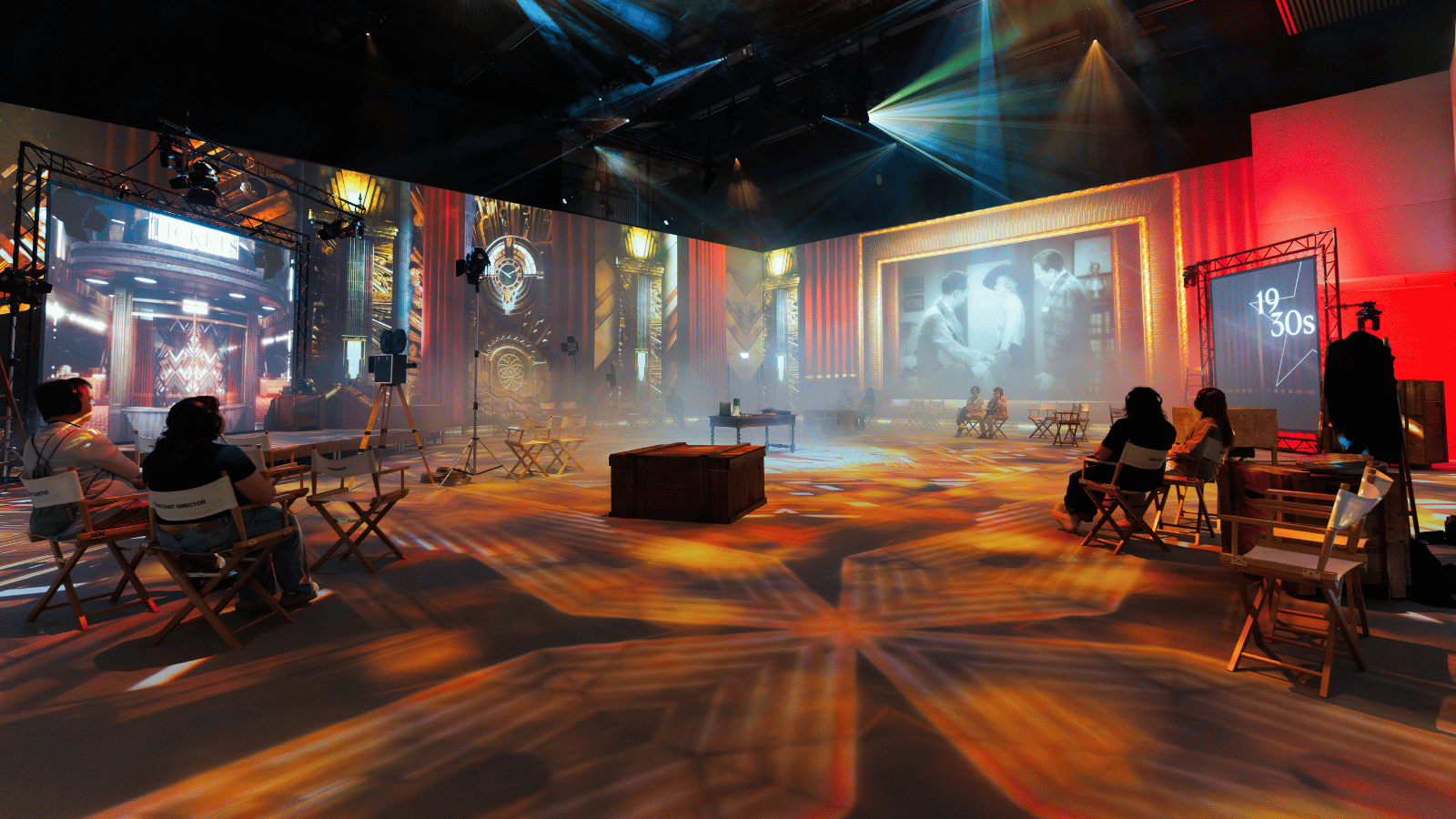
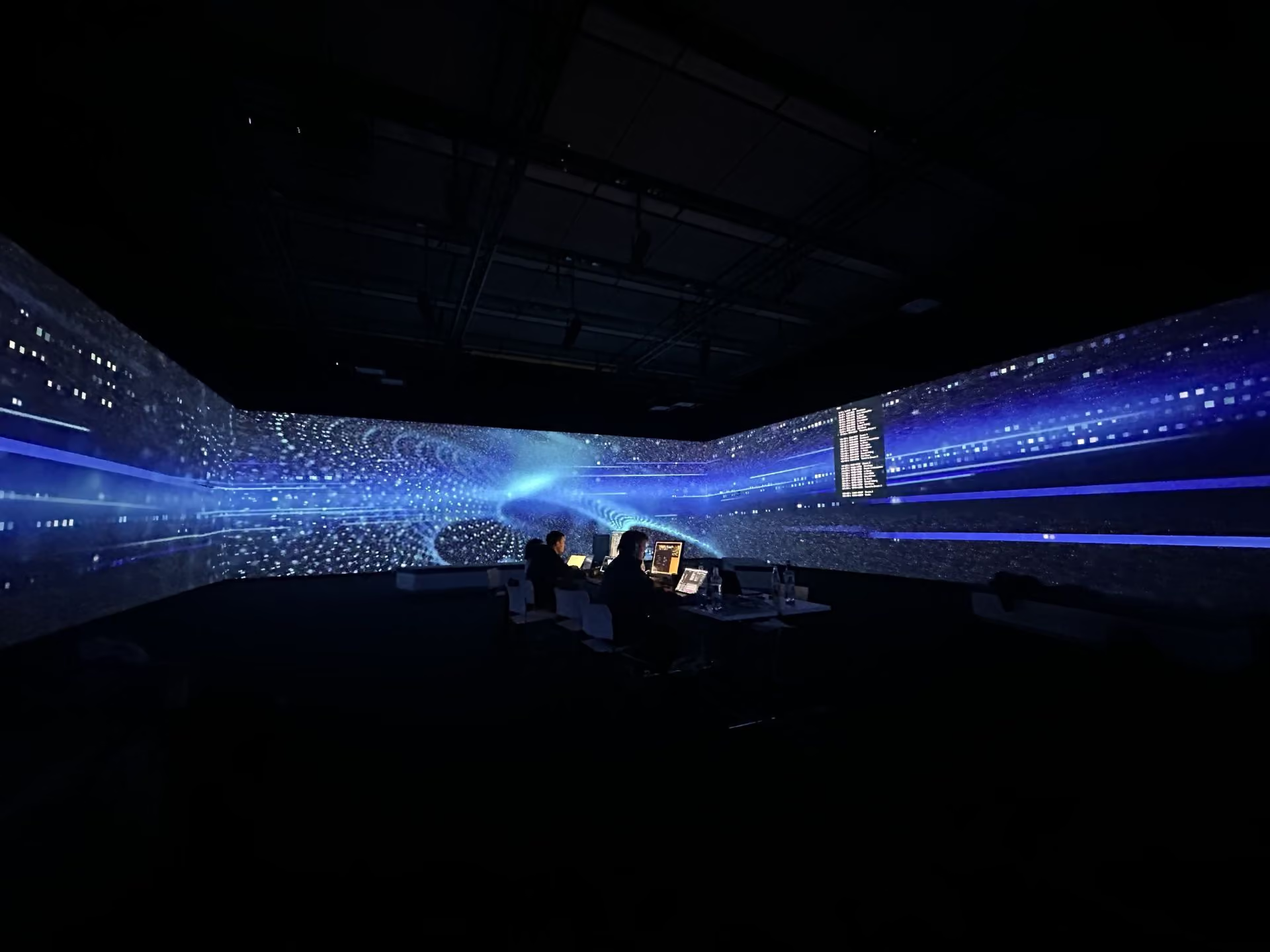
What is real? Like a film, it starts with production design, right down to the lamp on the dressing table and the grain of the studio floor. Scenic work makes it physical: Becoming Marilyn Monroe is experienced as a day in a 1950s film studio, with surfaces, props, interactive elements and textures within reach. Only then does technology join in. Walls, floor and ceiling become the medium in 360 degrees.
What can’t a machine do? The aim behind all of it is simple: the technology disappears and the person stays. Which is also why AI, for all its talents, can’t be the point. It can produce Marilyn’s face in seconds, in any pose, saying anything. A face without permission is a fake. Reconstruction without research is a guess.
“AI can give you a face. It can’t give you permission, and it can’t give you that moment when a whole hall goes quiet.”
Leigh Sachwitz, Chief Strategy Officer, The Storytelling Company
From empty Berlin buildings to 600 projects worldwide
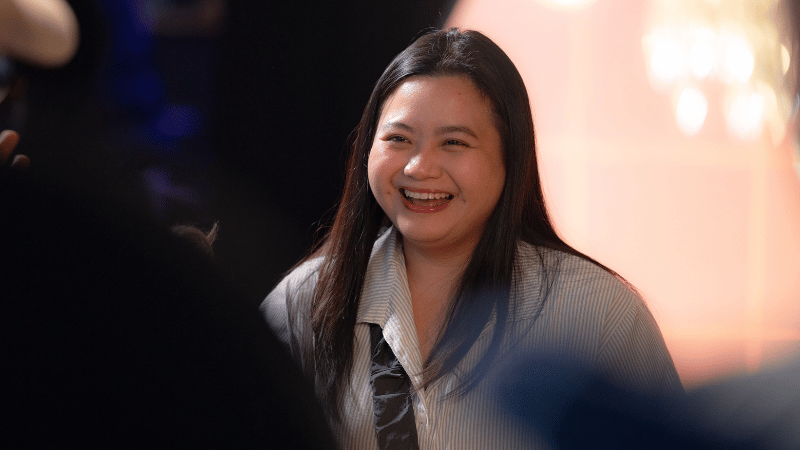
Leigh Sachwitz. Photo: Charlotte Wulff
Leigh has spent 30 years asking one question: what does it take to move someone? She arrived in Berlin in 1993 with 1.000 pounds and an architecture diploma from the Glasgow School of Art. Illuminating raves in Berlin’s countless abandoned buildings made her realize she wasn’t designing spaces. She was designing what happens inside them.
In 2005 she founded flora&faunavisions and led it through more than 600 projects worldwide. Today she leads Originals at TSC. “People forget Marilyn Monroe was both an icon of softness and a sharp, ambitious businesswoman. Growing up in Berlin’s techno scene taught me that same duality: tough enough to survive a male-dominated world, soft enough to stay myself in it. That’s my superpower.“ she says.
Worlds that travel Get the three questions right, and an icon stops being a poster and becomes a world that can travel.
It also puts TSC in an unusual spot, right between two industries that rarely talk to each other. Culture has stories and research. Entertainment has the audiences and the business models. Iconic Rebirth needs both. That’s what Originals is for: TSC’s own worlds, and worlds developed together with estates, producers and rights holders who want their icon to meet a new generation.
For rights holders, a physical world means new revenue, more time with fans and a story that keeps living between releases. Michael Couzigou, who leads New Business for Originals, puts it this way:
“My job is to connect the ambition of the rights holder with the reality of the venue and the expectations of the visitor. Bringing those three perspectives together is what gives a creative idea the foundations to travel.”
Michael Couzigou, Head of New Business Originals, The Storytelling Company
Becoming Marilyn Monroe, Lichthalle MAAG, Zurich. Photo: The Storytelling Company
So, one more time. Close your eyes and picture Marilyn Monroe. You’ll probably still see the dress. But behind it now, there’s a woman running her own company. And somewhere in a dark hall, someone born forty years after she died is hearing her voice for the first time. That’s what it means to hand an icon to the next generation.
“Getting a person to feel something is still the part nobody has automated. I’d quite like to keep it that way.”
Leigh Sachwitz, Chief Strategy Officer, The Storytelling Company
Sitting on an icon, an estate or a story that should meet a new generation? Leigh and the Originals team are happy to talk. Get in touch.