Maintenance Days, Momentum Days: What Nine Experience Centers Learned About AI
by Barbara Negele
8 min
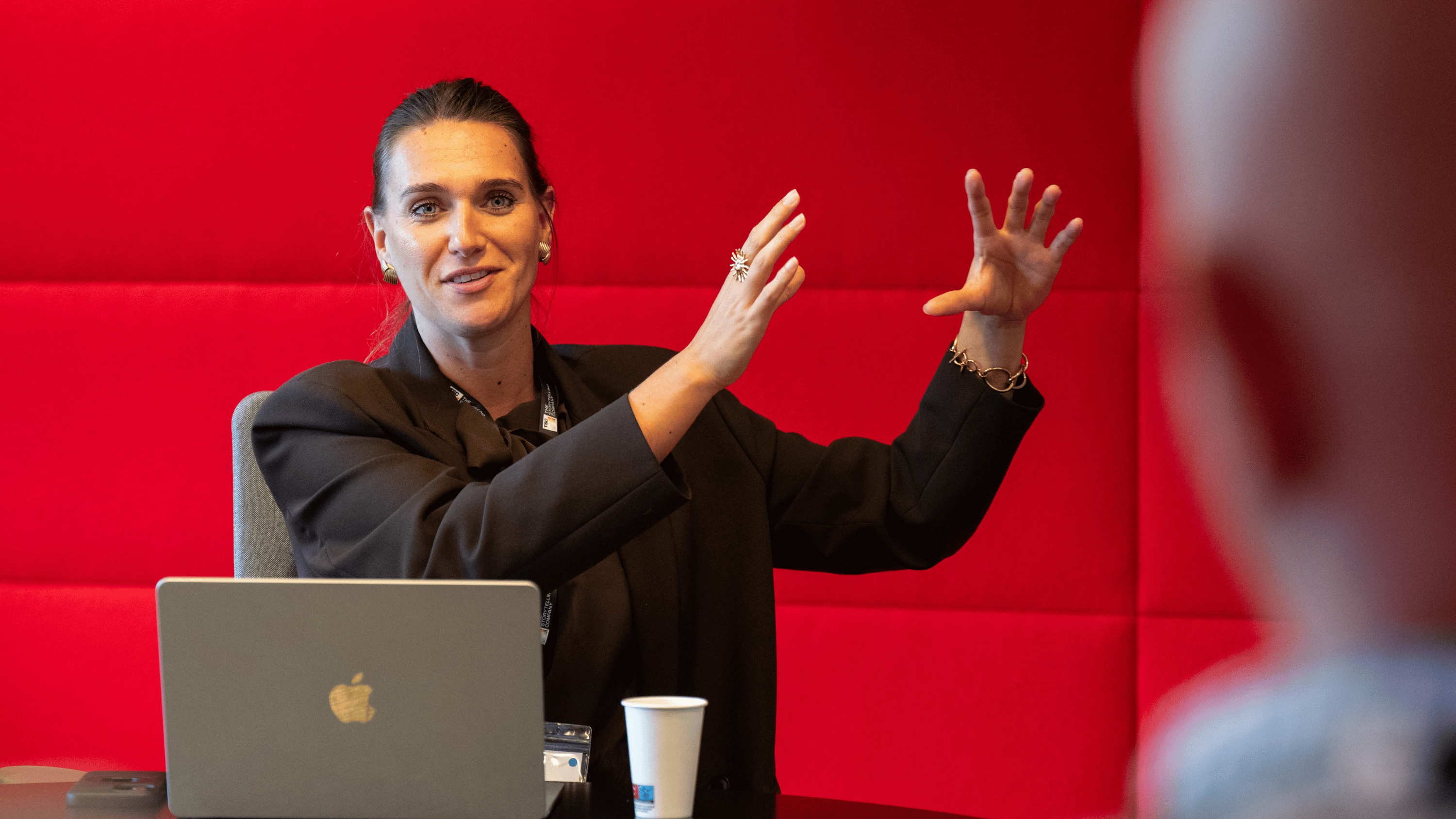
We could have all stayed home. That’s how Susan van Dueren den Hollander, Director of Customer Experience at The Storytelling Company, opened the day. Everyone could have stayed at their desk and asked ChatGPT what this community is thinking, learning, and doing. The answer would have arrived within seconds. Instead, they were all in the same room.
What happens when nine of our Experience Center clients meet in a space? They talk, they argue, and they bring more to the table than any individual meeting ever could.
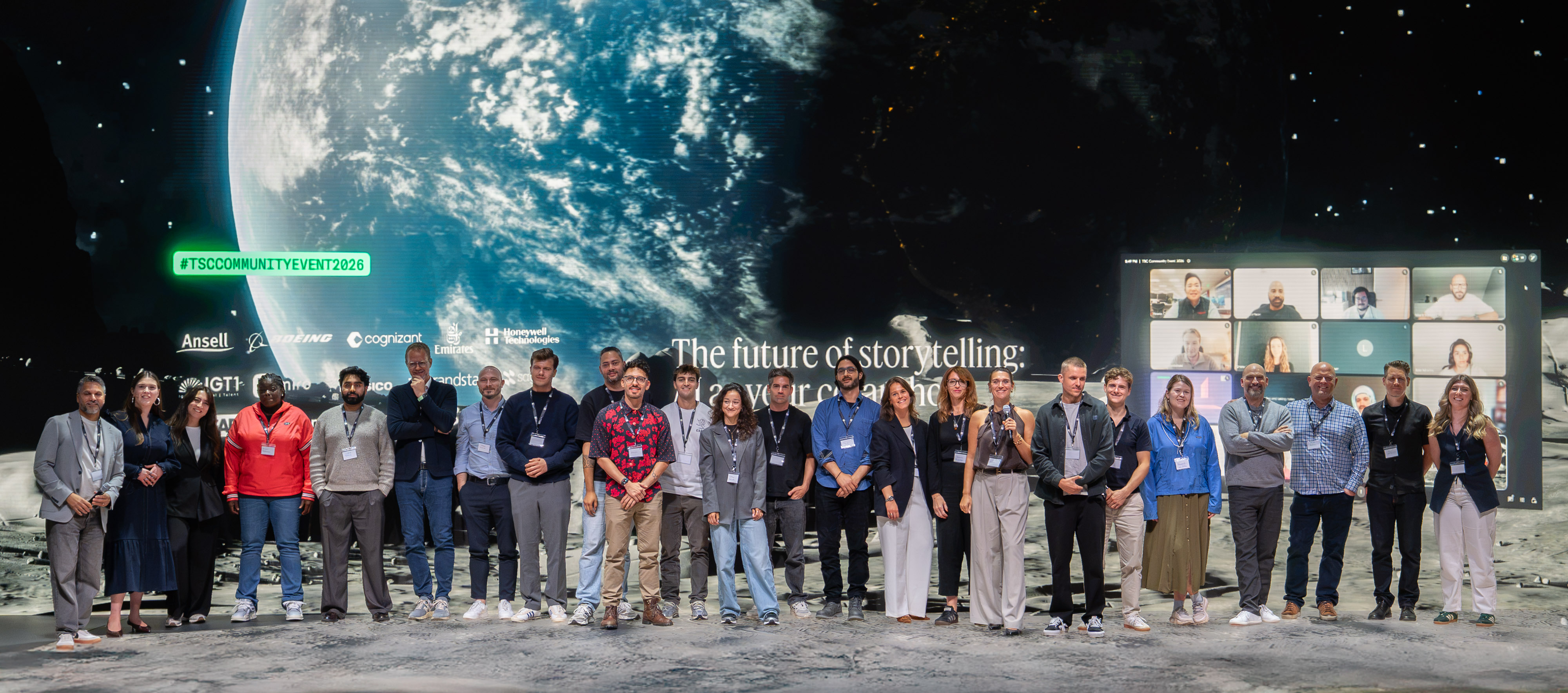
On 8 September, 2026, we hosted our third TSC Community Event, at Randstad’s Amsterdam Experience Center with nine companies – Ansell, Cognizant, Honeywell, Miro, Under Armour, SAP, ServiceNow, T-Mobile and Randstad – and many more joining online.
TSS Community Event - Randstad Experience Center, September 2026
They all run their Experience Centers on our product, The Storytelling Suite (TSS), and we listened raptly as they told us how they use and tailor our software to keep their stories alive in their experiential spaces..
“We really want to transform people into a story. So recently we made an airplane situation.”
Nine Revius, Head of Creative Direction & Experience Design Randstad
Picture the front wall turning into a check-in counter, a flight attendant running through the safety briefing, and then the whole room taking off.
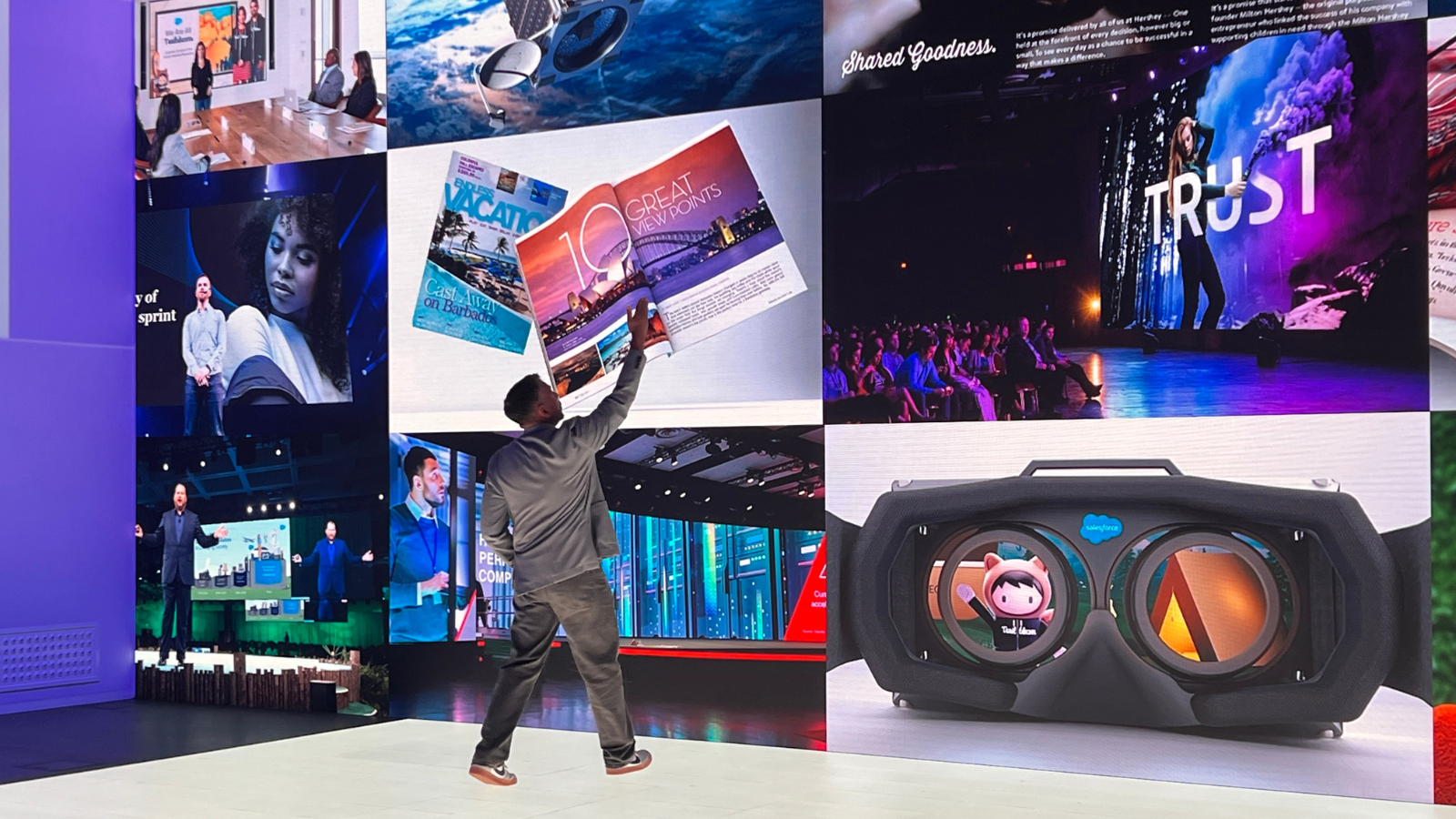
Under the theme “The Future of Storytelling: AI as Your Co-Author,” we saw everything from how AI can help build a story faster to how it can keep an experience relevant, and how far we’re already taking that inside The Storytelling Suite itself, from a new composer in TSS 5.0 to TSS Connect, which lets the lights dim or the blinds open the moment a story reaches a certain scene.
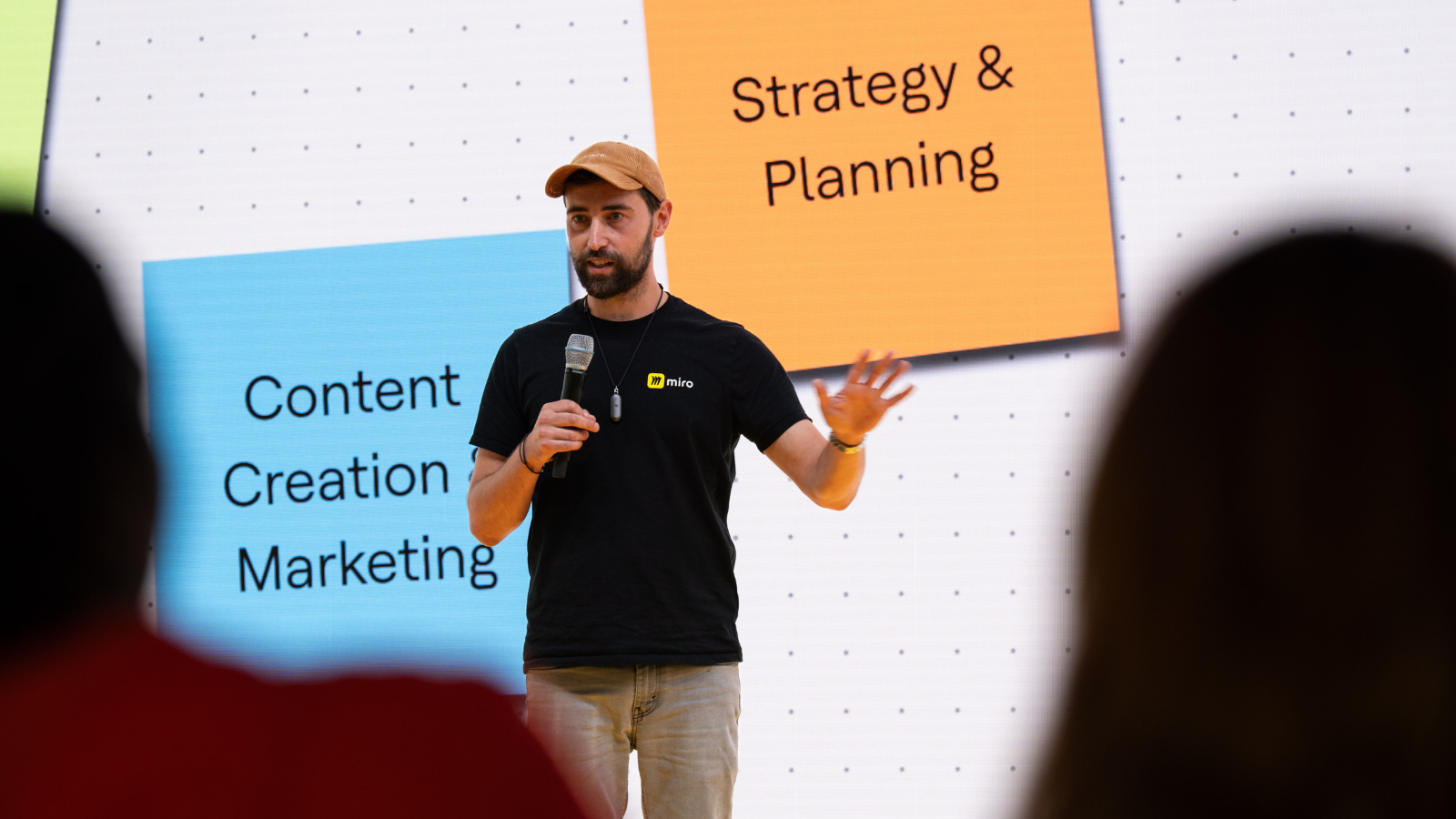
Sid van Wijk, who runs the Miro Discovery Center, gave the day its vocabulary. Miro run theirs on two, with the time that frees up going into experimenting rather than maintenance. Call it the two-person center: a space built to impress a Fortune 500 board, operated by fewer people than a corner shop. AI is not an innovation topic at that scale. It is the staffing plan.
Joanne Biddulph, Cognizant / Zana Patterson, Under Armour / Olha Stelmakh & Sam McKenzie, Under Armour /
While AI supports Randstad’s two-person experiential team with visual storyboarding, workshop design, and rapid ideation, ServiceNow relies on AI to create imagery that resonates with its audience. At Randstad, the team still draws a line. The obvious AI banners outside restaurants make them a little sad, because they look like nobody thought about them. So every AI image the team generates gets reworked in Photoshop until it stops looking like AI.
“In the creative process, going from a blank screen in front of you to something that looks close to ready in a fraction of the time from handcrafting was huge.”
Dan Durller, Creative Director of Innovation Center Content ServiceNow
His team had already dropped Midjourney after Disney sued the company in June 2025, and switched to Adobe Firefly, which draws on licensed Adobe Stock images.
Overall, AI is currently mostly doing maintenance work. Yet the last mile, the creative vision, is still done by humans.
Firefly delivered the styleframes for ServiceNow’s new industry content, and the industry leads picked one. ServiceNow still felt: “It wasn’t quite right.” What were those green lines? Da Vinci AI was supposed to animate the image and couldn’t handle 32:9 in 4K. And that’s where our studio at The Storytelling Company stepped in to make the imagery authentic and believable.
Fifty-plus locations across the globe run on The Storytelling Suite. That’s fifty-plus opportunities to redefine what makes people trust brands, relate to their stories, and make purchase decisions. ServiceNow alone runs eight innovation centers, hosted 500 engagements last year, and is now aiming for 2.000.
Getting that content in front of the right people is Jen Guy’s job. As Content Activation Lead at ServiceNow, she rolled TSS out across those eight centers with a team of four and called Claude her “hardest working teammate.” Two months in, she noticed the catch. “I couldn’t even write an email myself,” she says. So she stepped back, wrote it all out on paper, and cut 20 knowledge articles down to five.
Sid has a name for the alternative: multiplayer AI. Sharing only an AI output, he says, is like a math test where you write down the result but not how you got there.
Sid van Wijk - Miro Discovery Center Lead
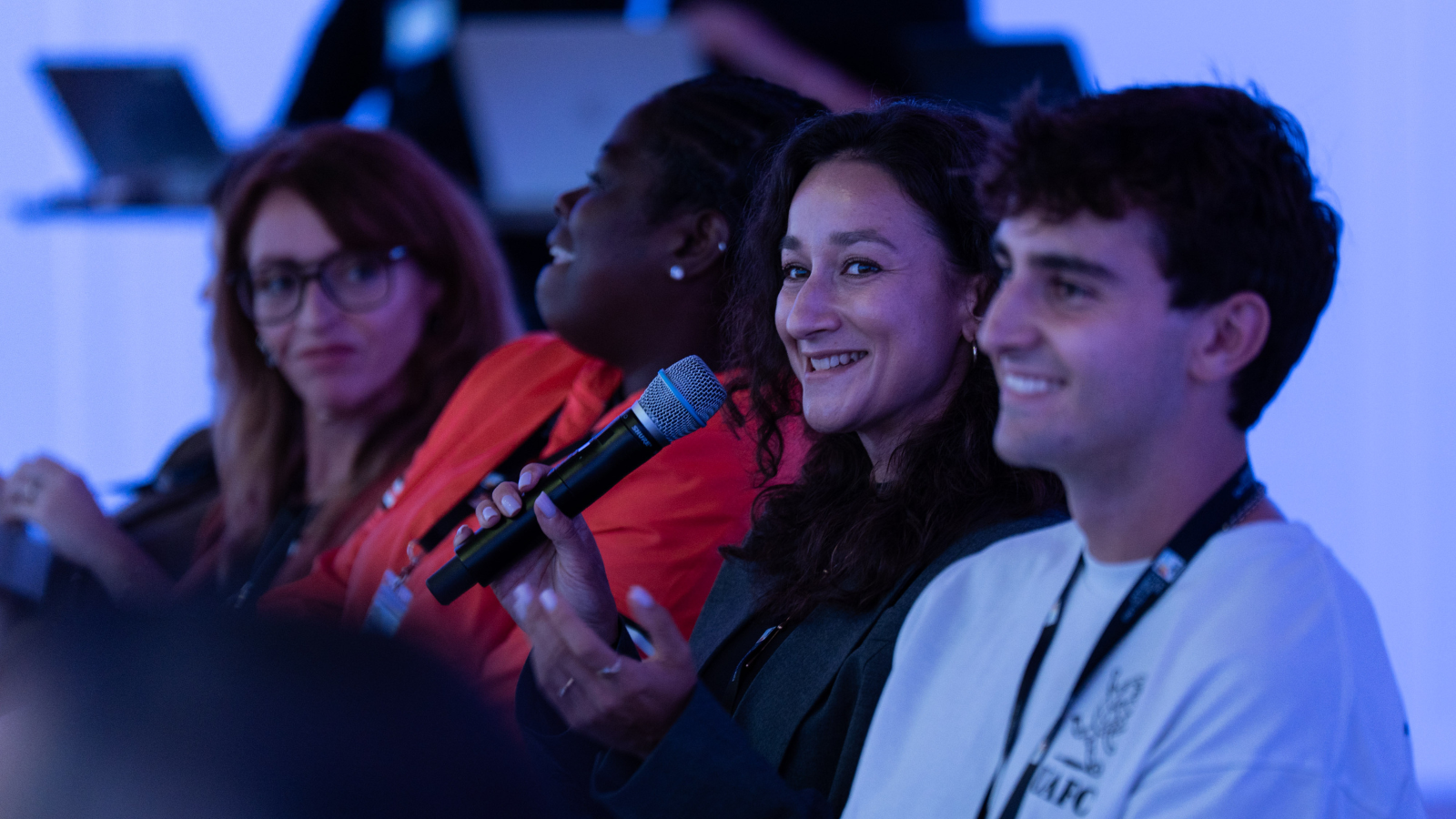
Beyond the user insights and best practices, the real exchange of the community happened between the sessions, over lunch and on the sunset canal tour, where the day’s conversations kept going in a relaxed setting.
Clients recognized their own challenges in someone else’s story, picking up ideas they’ll probably use in the coming weeks. The liveliest debate was about rules. One team admitted to using Canva without approval until IT caught them; they now have an enterprise account. Another described vendor onboarding for AI tools that takes three to six months, long enough for the tool to be outdated by the time it arrives. Sid’s warning to anyone tempted to ban it: you’ll get shadow AI, and company data in private accounts.
“If AI makes everyone a better writer, writing well may no longer be the advantage. Having something worth saying becomes the advantage.”
Susan van Dueren den Hollander, Director Customer Experience TSC
That’s what community means to us here. Not a term we use loosely, but a space where the people running these centers stop feeling like they’re the only ones in this niche. We leave every year with a better understanding of our own software as well, because what one client asks for today, the rest of our growing list of worldwide locations usually needs next. When one client said it’s hard to tell which content in a center actually lands, Susan pointed out that ServiceNow, Randstad, and Miro had asked for exactly that in the ROI workshop earlier that day.
Where does AI stop being useful in your process? Nobody agreed in Amsterdam. The feedback wall did produce one clear request for next year: a bigger screen. Susan spotted who sent it. It was Dan, in a room where every wall is a screen.




.avif)


