Experiential tech has never been this good. Or this invisible.
by Tommy Nick
5 min
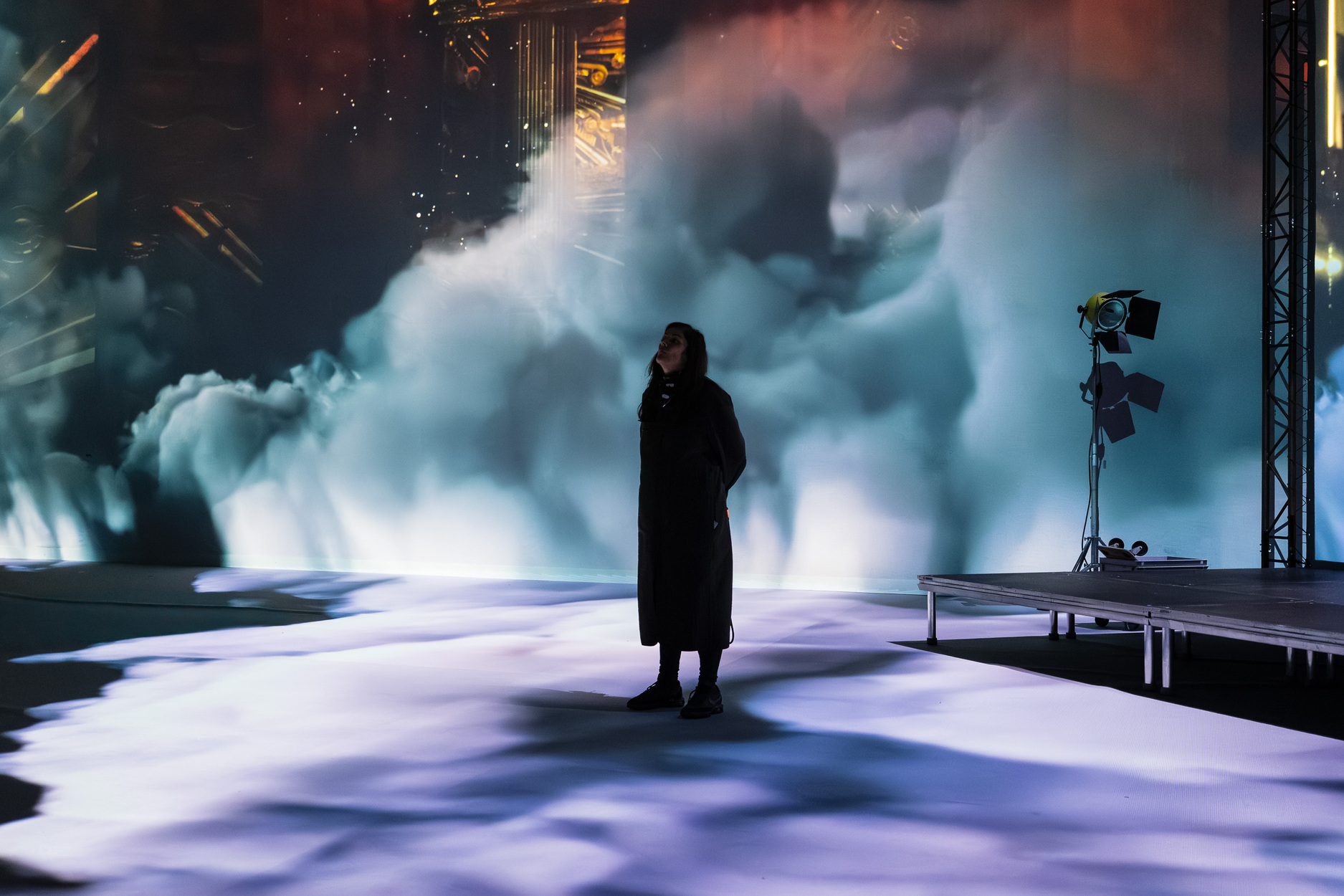
Think of the last experience that stayed with you. A concert, an exhibition, a space you walked into for work and did not expect to remember. You almost certainly could not name the technology that made it happen. That is not a lapse in your attention. It is technology doing its job.
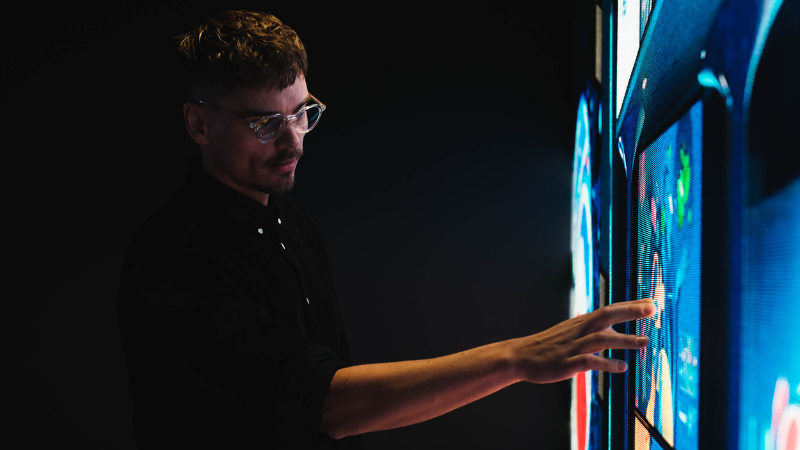
Almost everything TSC makes sits on a quiet stack of it: real-time rendering, projection, spatial audio, LED, motion tracking, sensors that read a space and answer it. Right now, nearly all of it is improving at once. Engines that used to need a render farm turn out photo-real environments live. Screens keep getting brighter, sharper, and cheaper. Sensing has quietly got good enough to track where people are and respond, with nothing to wear. Most of this has been maturing for a decade, steadily closing the gap between what a team pictures and what it can actually pull off.
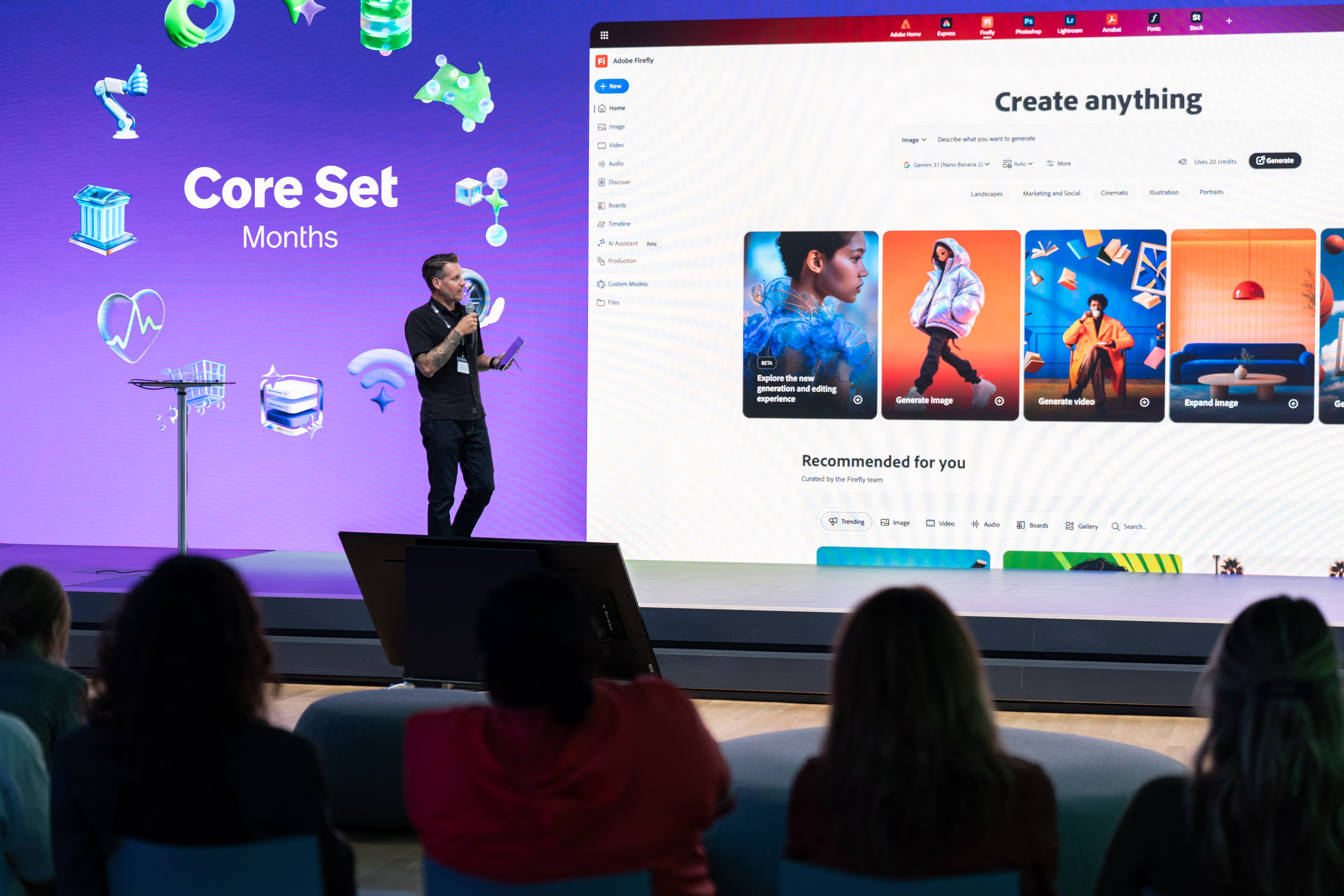
The newest arrival, and easily the youngest, is AI. Only in the past couple of years has it become usable inside a live experience at all. Until recently almost everything was written in advance, every path and every line a virtual character might say locked before the doors opened. That is loosening. In 2025, Google DeepMind unveiled Genie 3, a model that turns a prompt or image into a live, interactive environment at around twenty-four frames a second. By early 2026 it had reached its first users. Characters that once looped three scripted lines now hold a conversation and adjust to whoever is in front of them. TSC has already put this kind of agentic AI to work inside the Microsoft AI Tour, across eleven cities. Still, worth saying plainly: AI is one instrument in the stack, not the orchestra, and it replaces none of the rest.
The numbers bear it out. Industry estimates put the broader experiential market near 55 billion dollars in 2026, growing a few percent each year, while its immersive, technology-led slice compounds close to 30 percent, roughly ten times faster. More than seven in ten new campaigns now include AR, gamification, or some form of virtual participation. The tools stopped being flourish and became the medium.
None of which changes the one rule that holds across the whole stack, AI included: more capability is not more meaning. The most sophisticated environment ever engineered is forgettable if nobody feels anything inside it, only now with a heftier bill.
And feeling is exactly what is getting harder to earn. Attention has never been scarcer, and a live experience is one of the last settings where you have a person's full attention for a few uninterrupted minutes. Used well, that is how a brand stops being a message and turns into a memory. Used badly, it is a costly way to be forgotten under nicer lighting.
“The impressive part is never buying the newest technology. It is making it run the same way, every single time. That reliability is what an audience never notices, and exactly what they feel.”
Michael Börner, Chief Operating Officer, TSC
There is one trap the whole field keeps stepping into: technology as spectacle, the urge to show the machinery because the machinery is genuinely impressive, and the newest tools always are. The same care TSC brings to an opera staging, it brings to a flight simulator. Sometimes the result is awe, sometimes a grin, sometimes sweat on the brow inside Training & Simulation, where the reaction must be real because the stakes are. Either way, the tool serves the feeling, never the other way round.
So where is all this heading? Not toward whoever owns the newest device or the largest model, but toward restraint. Everything will keep getting better, and everything will be more tempting to overdo. Keeping pace with tools that move this fast is a craft of its own, and it happens to be exactly the one TSC has spent years mastering. That, in the end, is the company's whole relationship with technology. We use all of it and stay loyal to none. Real-time engines, LED, projection, spatial audio, sensing, now AI, each is welcome the day it moves someone, and shown the door the day it is there only to impress.
In the end it comes down to two things: the technology, and what TSC does with it. One of them will never stop changing. The other never has to.






.avif)


