A shipwreck that never happened and a curve that nobody needed
by Irene Stracuzzi
5 min
As a creative strategist, I always ask myself: what kind of commercial experience will make someone actually care?
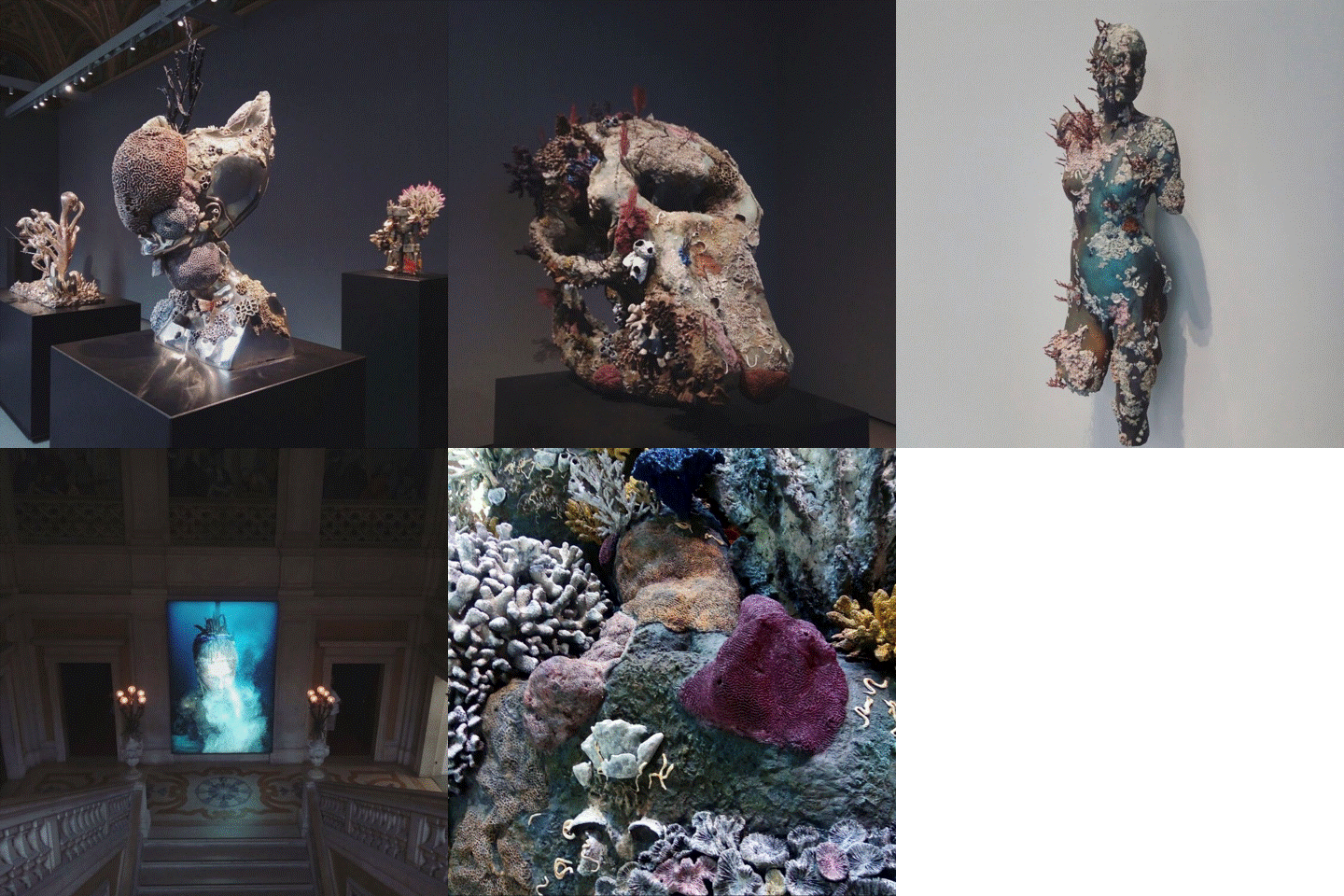
Between admiration and irritation In 2017, I saw Damien Hirst’s exhibition Treasures from the Wreck of the Unbelievablewhen it first opened in Venice. I spent most of the visit in a strange emotional state between admiration and irritation. The premise of the show seemed almost too convenient: invent an ancient shipwreck, give its cargo a history, and create whatever art objects you want. Yet the execution was so exceptional that I kept enjoying it anyway. What I liked was precisely this contradiction: the possibility of being impressed by something while questioning it, without having to decide which of those reactions was the right one.
The exhibition unfolded around the supposed recovery of an ancient ship, the Unbelievable, carrying objects from a lost civilization. Footage of its discovery introduced artworks whose surfaces suggested a long life underwater, completely covered in marine growth. Seeing it in Venice added another layer, because the lagoon leaves its own marks on everything it touches, and the objects inside the exhibition seemed to belong to the same world as the surfaces and materials outside.
Damien Hirst, Treasures from the Wreck of the Unbelievable, Venice, 2017. Photo: Irene Stracuzzi
Most of these statues were beautiful in themselves, which made me question where the story was actually coming from. Was it in the artworks, in the fake corals and shells that made them look as if they spent centuries underwater, or in the context of the “discovery” created by the footage and the whole exhibition around it? Each layer was built so carefully that the story began to give itself away. The more convincing the illusion became, the more I started wondering whether I was just witnessing an elaborate sales pitch. Maybe the exhibition's true power was being a masterpiece and a marketplace at the same time, albeit a controversial one.
The freedom to be unbelievable In my own work, there is no illusion to break. As a creative strategist, I help clients turn what they want to communicate into a space, connecting the story, the spatial design, the physical touchpoints, and the way people move between them. Everyone knows these spaces exist to support a business and help it sell. There, it is beauty, wonder, and ambiguity that compete for their place. So, the creative question must always be: what kind of commercial experience will make someone actually care?
What I took from Hirst was how a simple, accessible concept could give very different objects a reason to exist together, while opening up enormous creative freedom. As someone who tends to go too deep and too intellectual too quickly, I found it refreshing to see such a straightforward premise realized with so much mastery. It showed me how a powerful story could serve a commercial intention through an adventurous format.
But Hirst had the kind of freedom that brands, our clients, rarely allow themselves: after decades of building his name, he did not need to prove the idea had worked before. In our field, benchmarks, market trends, and audience research help us establish relevance. But when precedent becomes the condition for pursuing an idea, the familiar approach has an advantage simply because it is easier to explain. We end up approving something that everyone recognizes, while losing the possibility of making something they will remember. Sometimes an unexpected material, a different point of view, or a change in how visitors interact can give the story a meaning that the message alone cannot carry. In one of our recent projects, that difference came down to a single curved bar.
Battling for the curve This is where I wish for more room for creative strategy: in developing unexpected connections, but also in following them through the decisions that shape a space. On a typical project, an idea passes through the hands of eight to ten people in our team, and ten to 20 on the client’s side. It can be convincing at the start and gradually lose its character as each discipline resolves its own part, until everything works individually but the experience no longer holds together. For me, strategy means recognizing when a practical decision changes the meaning of the whole and helping the team decide whether that change is worth making.
That also means questioning what we consider necessary. It is easy to defend a screen that delivers information. It is harder to defend a material that makes someone curious, a moment of wonder, or a detail that invites them to look again, even though these may determine how they relate to everything else in the space. Beauty, atmosphere, and pleasure deserve to be considered in the purpose of an experience.
“We may want someone to buy a product, believe a message, or understand information, but if we ask for their attention, we should always offer something worth carrying away in return.”
Irene Stracuzzi, Creative Strategist The Storytelling Company
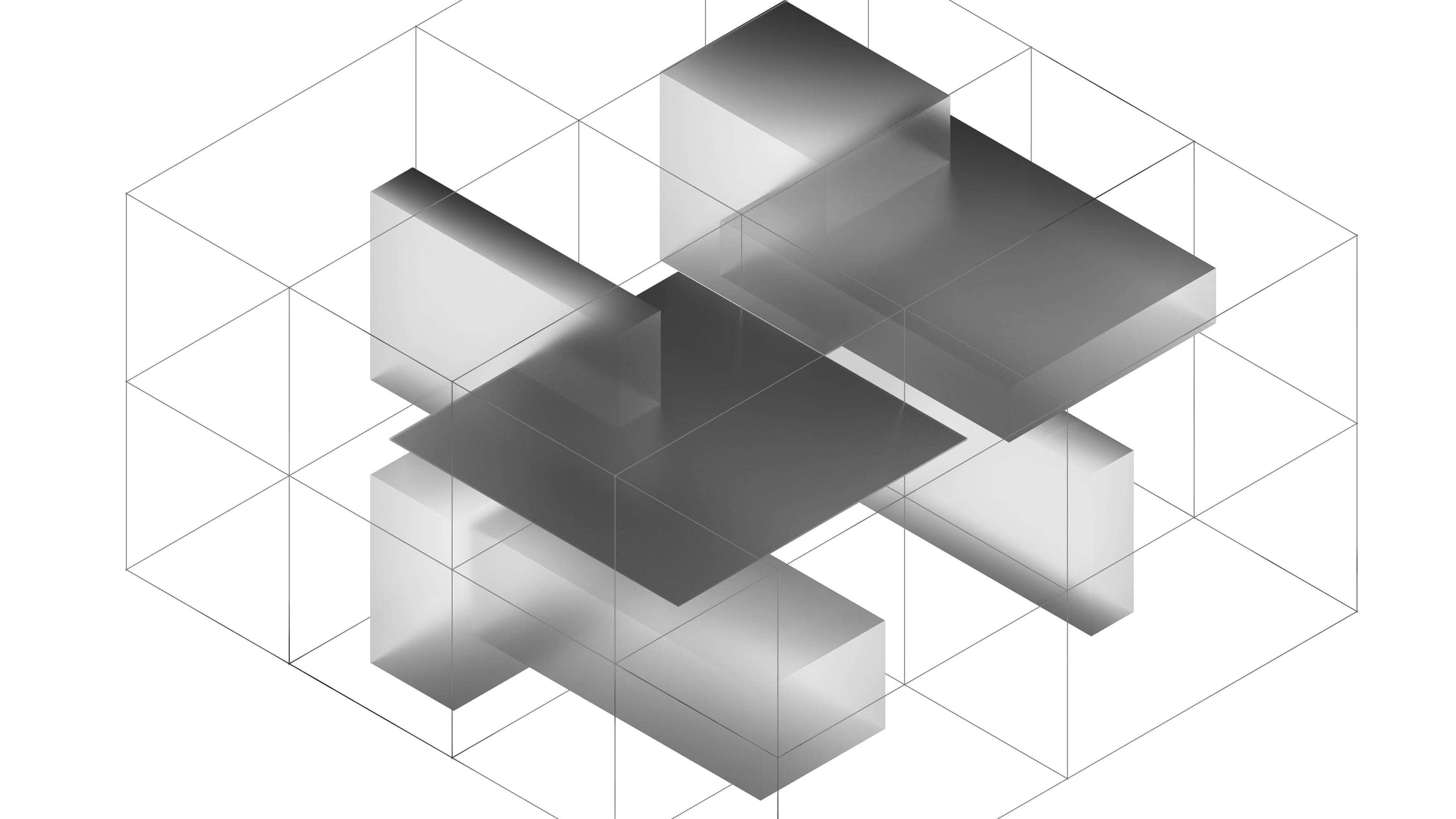
In a recent fashion retail space we designed for SAP in Walldorf, built from shipping containers, we fought to keep a single metal bar curving through the entire space. It holds clothes hangers, curtains, and shelves, and it guides visitors through the store: they follow one uninterrupted line and find the touchpoints along the way.
SAP fashion retail store, Walldorf, view inside. Rendering: Magda Baran
A series of straight rails would have done the practical job just as well, and it would have been simpler to build. But the curve breaks the rigidity of the containers and gives visitors an unusual detail to focus on as they move from one part of the store to the next. Simply put, it adds beauty. Without it, everything would still have worked, but it would not have looked the same.
The curved bar, close-up. Rendering: Magda Baran
Almost ten years after seeing Hirst in Venice, I am still intrigued by the powerful mix of beauty, storytelling, and commercial intention in that exhibition. Perhaps the artwork was never in the statues or the story alone, but in the relationship between them, and that is also what a commercial brand space must build. That relationship is what I want to fight for, the way we fought for the curve.
People bring their own associations and desires into the spaces we create. What matters to them may extend well beyond what we intended to explain.