Most immersive technology asks to be admired. The Storytelling Suite is built to disappear. Emile van den Ende, TSC's Director of Technology, on why the hardest thing to engineer is the feeling that nothing was engineered at all.
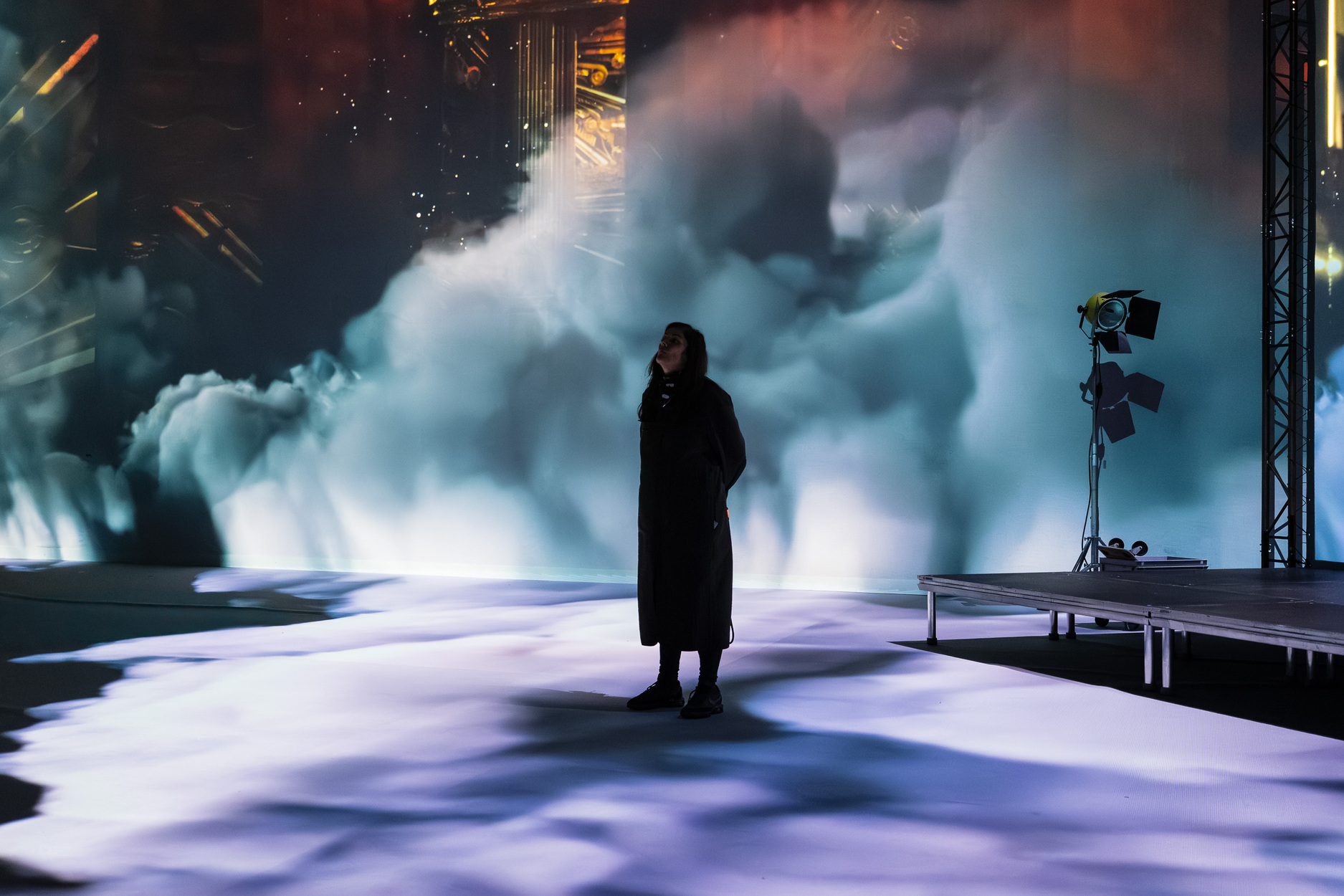
Walk into a room running The Storytelling Suite and the least interesting thing about it is the technology. A wall of LED turns into a coastline. Audio moves through the space and finds you. A sensor notices someone step forward, and the content answers. All of it runs at once, in real time, and none of it is the point. The point is the person in the middle of it, who has quietly stopped noticing they are in a room at all.
That disappearance is the whole design. The Storytelling Suite is our own platform, the software we use to run immersive experiences in brand centers, visitor centers, and exhibitions around the world. It drives the most demanding parts of those spaces, and we built it, from the first line, so the people using it never have to think about any of that.
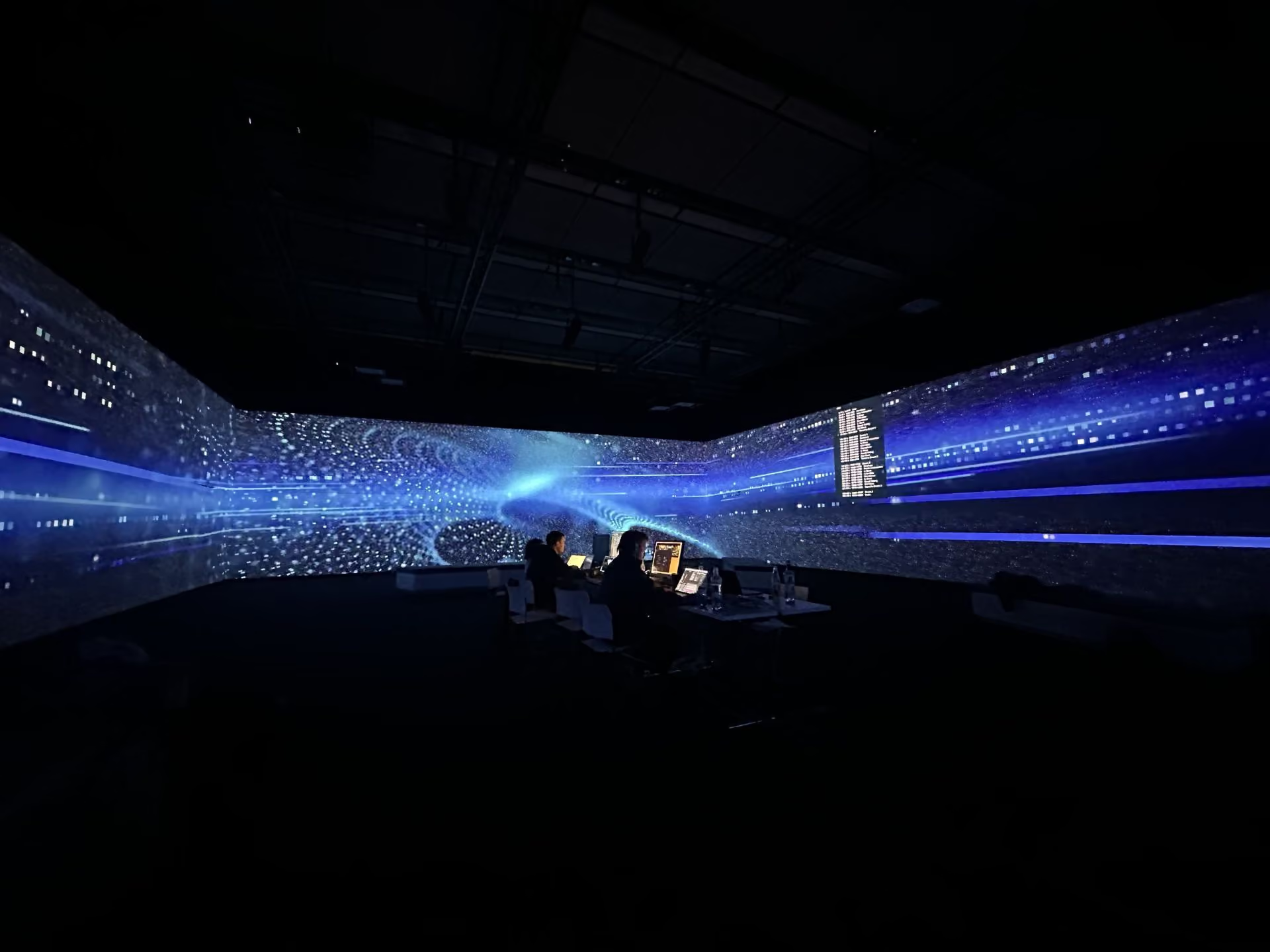
The problem was plain to me long before the platform existed. The experiences were possible. The technology was there. What was missing was a way to run any of it without a specialist in the room.
The ambition was almost stubbornly modest. Not a more powerful console. Not a richer set of controls. Something a person could walk up to and use. Not because immersive work should be simpler than it is, but because the complexity belongs somewhere the audience never sees. Behind the curtain, not on the stage.
“There wasn’t a platform that let creative teams control an immersive experience without a technical specialist standing next to them. So we decided to build it ourselves.”
Emile van den Ende, Director Technology, TSC
Ask the people who work with it every day which word they reach for most, and it is not the one a technology company would choose. Not futuristic. Not immersive. It is flexible. A car brand needs something a museum does not. A keynote asks for something an interactive exhibition never would. The platform bends to each of them and keeps its shape, the way water takes the room it is poured into. That adaptability, prosaic as it sounds, is what has let it travel.
But the first obstacle in front of a new user is rarely technical. It is human. A large immersive install can be intimidating on day one: a lot of screens, a lot of systems, a lot of things that look expensive to get wrong. This is the part I refuse to treat as an afterthought. Onboarding and support are not something we add at the end. For me they are fundamental. What we really teach people is not the buttons. It is the confidence to make the platform their own.
That is the line the whole thing is built to cross: the moment someone stops managing the machinery and starts telling the story. Nobody walks out of a good experience talking about the software. They talk about the moment. What they felt, what they understood, the conversation they were still having on the way home.
There is a small piece of history that gives the whole project away. Before it was The Storytelling Suite, it had another name: Hyro, after hieroglyphs, one of the oldest forms of visual storytelling humans ever made. Thousands of years ago, people cut symbols into stone to make an idea outlast them.
Symbols in stone, then light and sound in a room. Different tools, thousands of years apart, chasing the same thing: stories people do not watch, but stand inside.







.avif)


