The road to opening night isn’t straight. It’s designed.
by Barbara Negele
6 min
Becoming Marilyn Monroe opened in Zurich on March 27, 2026. The summer before, it existed only as an argument in a few people’s heads. This is the part the case study leaves out.
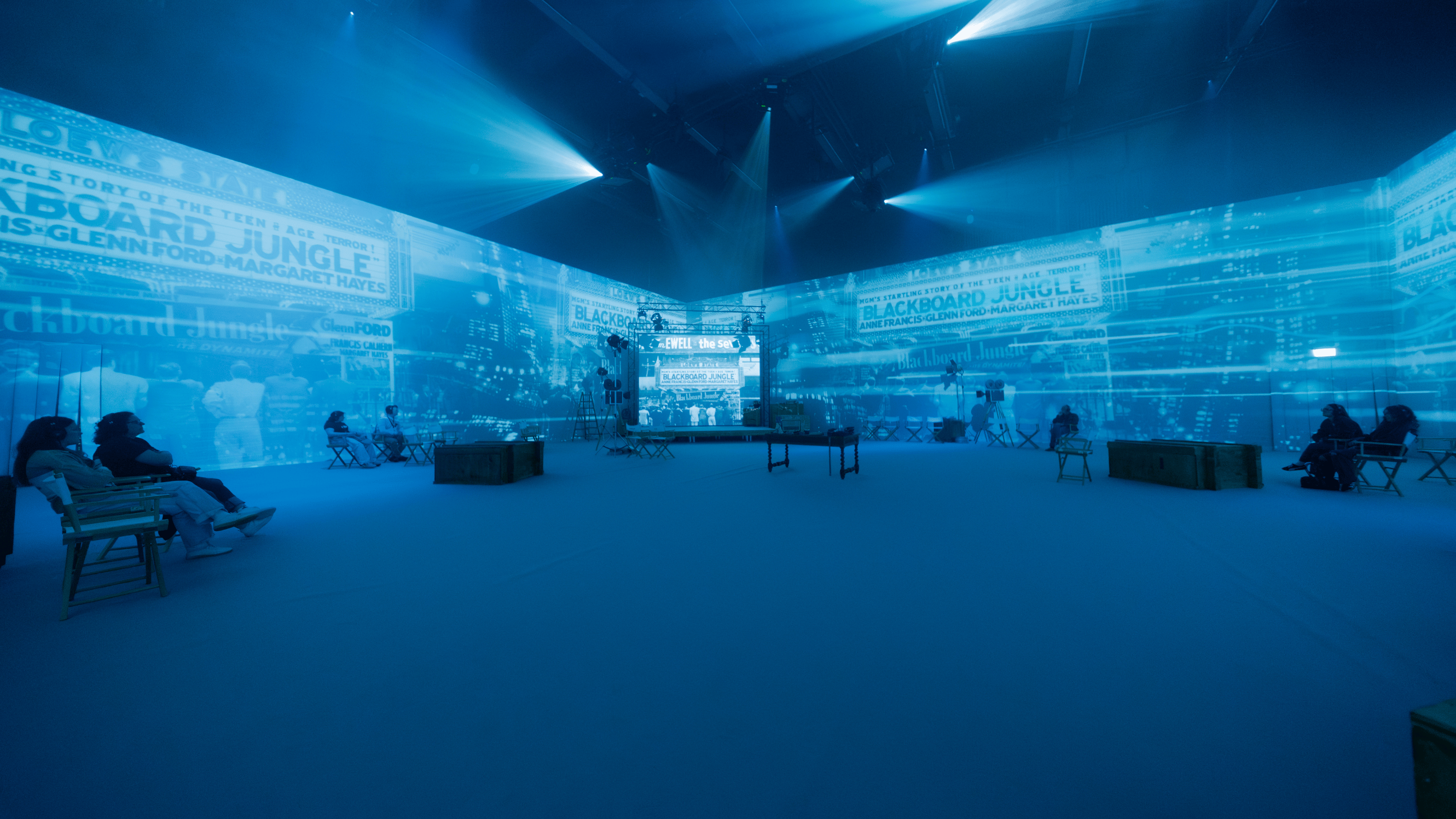
A few minutes before seven. The lights in Lichthalle MAAG drop, then resettle. Two hundred people walk into a version of Marilyn Monroe that, the previous summer, existed only as an argument in a handful of heads.
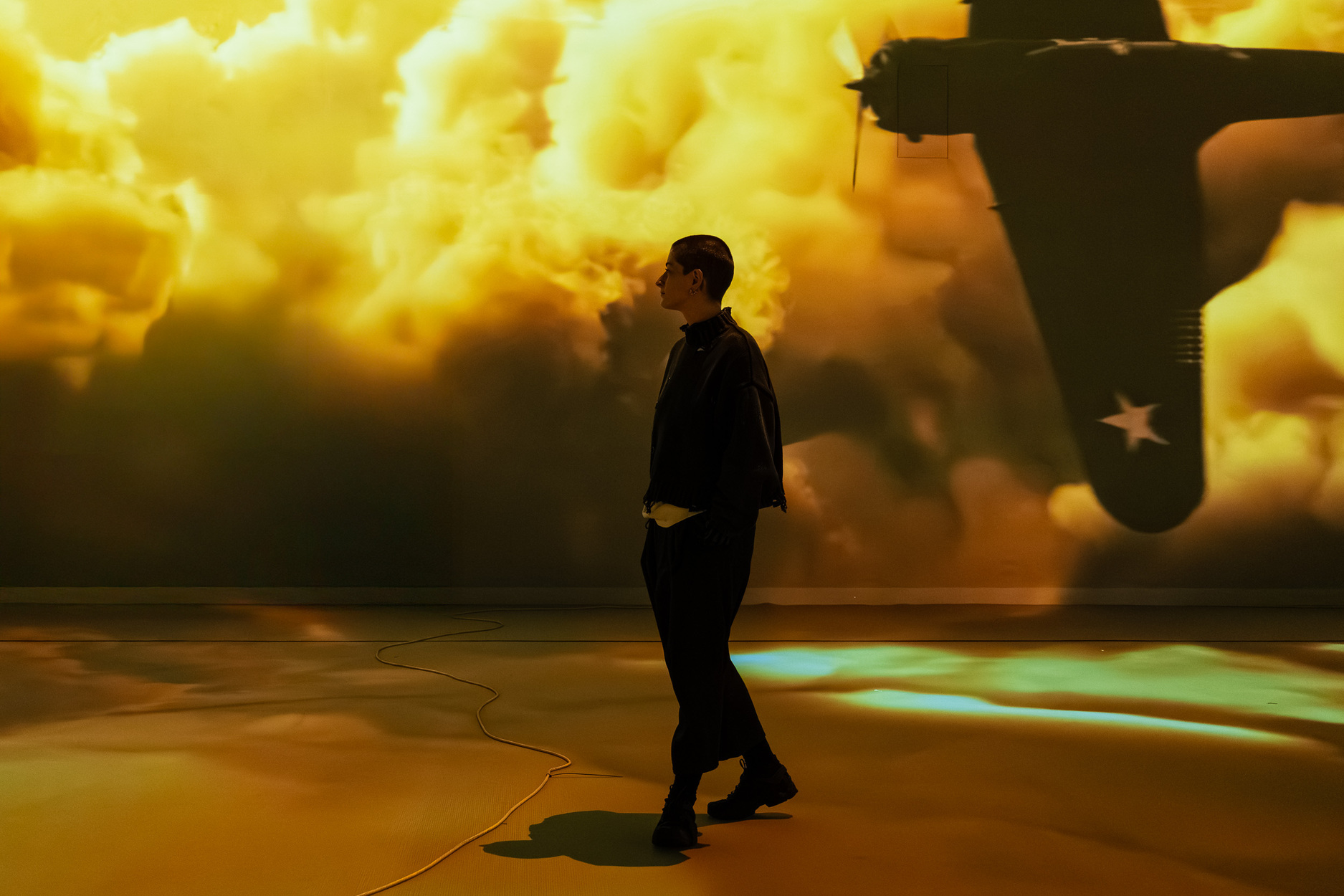
That argument is the whole story. Becoming Marilyn Monroe is sold as an exhibition. It behaves more like a reconstruction of perception. The blonde, the myth, the most photographed woman of her century: all true, and none of it the actual point.
The point arrived as a biographical hunch. Creative Producer Michaela Fragner kept circling the same idea: Norma Jeane did not stumble into fame, she engineered it, frame by frame, which makes her less a tragic icon than an early and ruthless author of her own image. Once that took hold it stopped being a theme and became a spine. Every later call ran through it. What goes on a wall. What a visitor finds first, and what they have to earn. Whether a room worships the myth or quietly takes it apart.
Head of Creative Production Sixtine de Cidrac heard the same idea and immediately did the math on scale. An exhibition, an education layer, an immersive narrative, an atmosphere that has to hold for the full runtime. Four jobs most teams would run as four projects. Here they had to read as one continuous arc, or the result would feel like a museum with a nightclub bolted to the side.
“I was focused on the bigger picture and the overall operational execution, while Michaela was deeply immersed in the finer details and complexities that shaped the experience.”
Sixtine de Cidrac, Head of Creative Production TSC
Then the calendar did what calendars do. Timelines compressed. Pieces ran late. The pressure that turns an abstract deadline into something you can feel in the room showed up ahead of schedule.
This is the fork where most projects flinch. Defend the brief, freeze the scope, ship whatever is safe. The Marilyn team went the other way and widened the brief while the clock ran. More people, more ownership, same north star. It sounds reckless, and it worked for a prosaic reason: the central idea was sharp enough to brief against under pressure.
Sixtine de Cidrac, Head of Creative Production, TSC & Michaela Fragner, Creative Producer, TSC
“You can throw people at a project late only when everyone already knows, precisely, what it is for.”
Michaela Fragner, Creative Producer TSC
What followed was less a clean production than a running argument with the work. Three full passes at the spatial design. Constant haggling between story, play and the cinematic beats. Things made, killed, remade. The visible parts, oddly, were the easy parts.
The hard parts never show up in a photograph. Rhythm. The hand-offs between rooms. Silence, used on purpose. The exact instant a sound thins out or a scene is allowed to sit a beat too long. Get that wrong and a space feels fidgety. Get it right and people slow down without noticing they have, which is the entire game.
Sound got litigated hardest. Spatial speakers, headsets, or some hybrid of the two. Tested, rejected, tested again. Intimacy won. Not headphones as a compromise, but headphones as a private line straight to the voices inside the story. Quieter, closer, never louder.
Through all of it, director Mitch Sebastian’s vision stayed intact, protected not by pretending the constraints were imaginary but by out-working them.
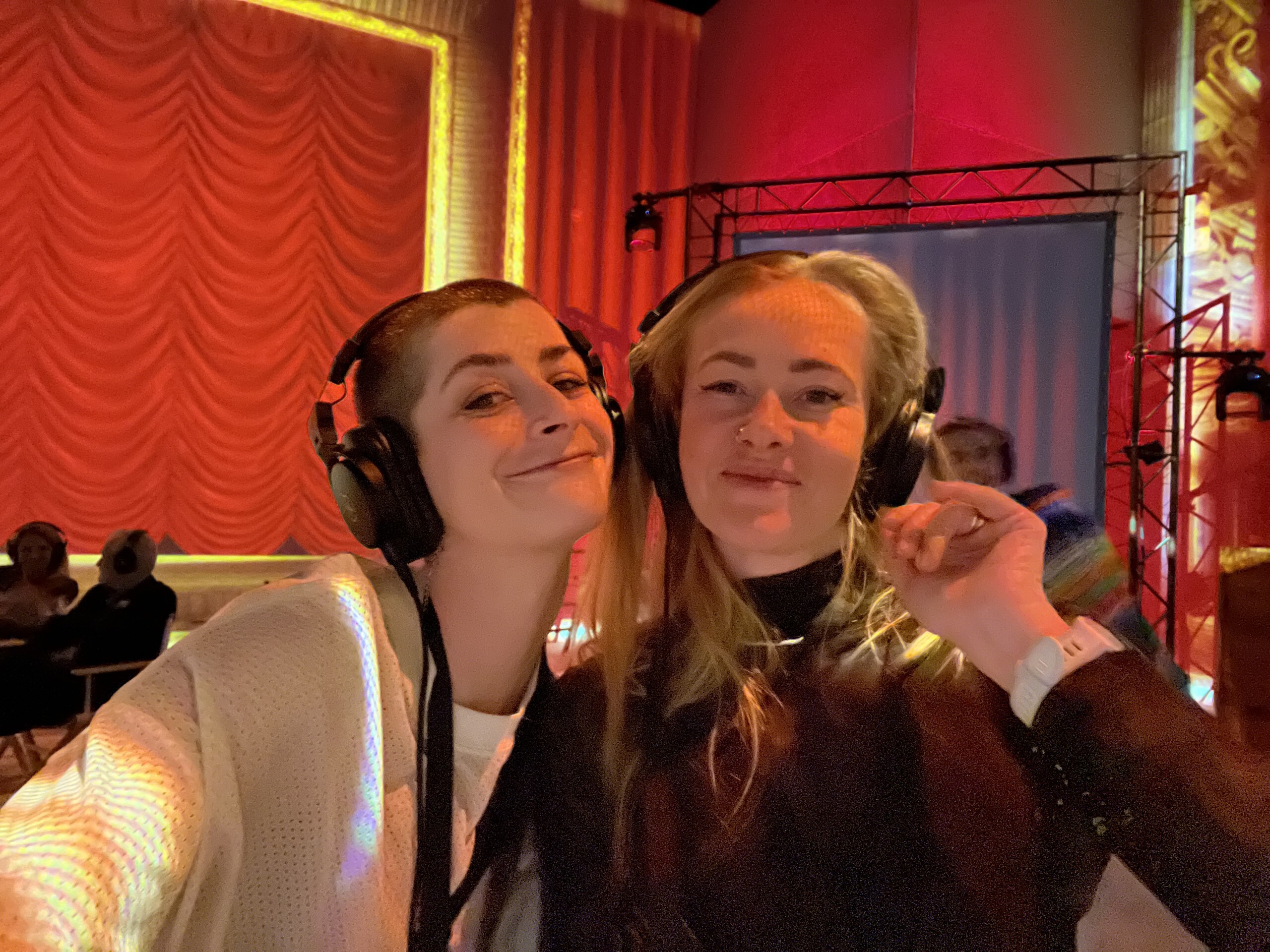
On opening night Michaela watched the show as a visitor for the first time, after months of seeing it only in fragments. The reactions did the reviewing. Laughter in the right places. Stillness. A few tears. People stalling in front of things, staying past the time they had budgeted, then turning to a stranger to talk it over on the way out.
That last detail is the only metric that counts. Not applause. Presence. Finished? No experience ever is. More weeks would sand the edges, widen the early rooms, rebalance a transition or two. There is always a list. The list was never the goal.
The best of this work does not just show you something. It quietly rearranges how you see.





.avif)

